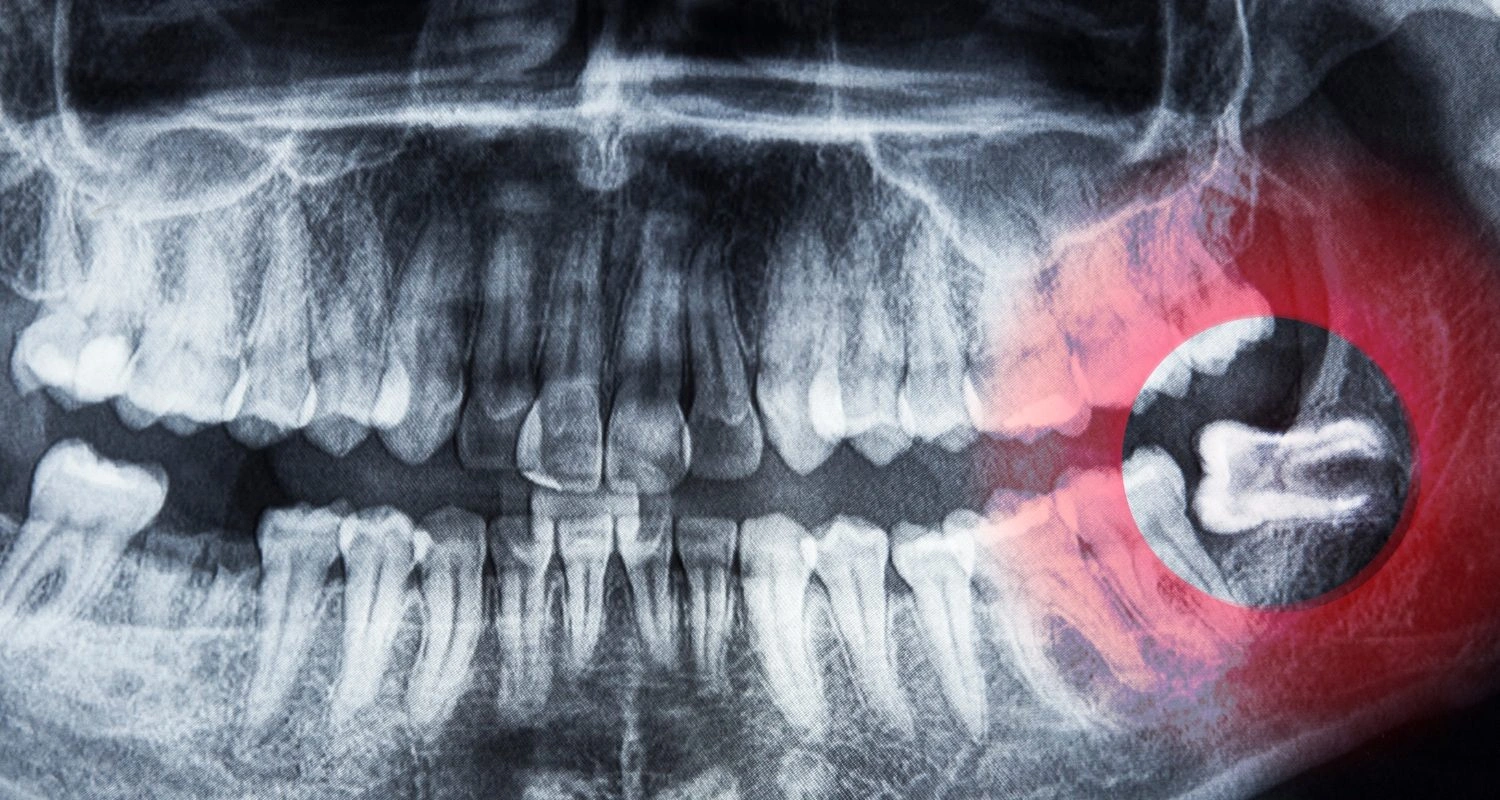
Many Australians assume that if their wisdom teeth aren’t causing pain, they’re perfectly fine to keep. However, this common misconception can lead to significant dental complications down the track. At Dental Couture in Sunbury, we frequently encounter patients surprised to learn that asymptomatic wisdom teeth often require removal as a preventive measure.
Understanding when and why dentists recommend extracting pain-free wisdom teeth can help you make informed decisions about your oral health and potentially save you from more complex treatments in the future.
Understanding Asymptomatic Wisdom Teeth and Their Hidden Risks
Asymptomatic wisdom teeth are third molars that haven’t yet caused noticeable discomfort or obvious problems. According to the Australian Dental Association, approximately 85% of wisdom teeth will eventually require removal due to various complications, even when they initially appear trouble-free.
The absence of pain doesn’t indicate the absence of problems. Many dental issues develop gradually and remain undetectable without professional assessment. Your wisdom teeth might be silently creating conditions that will manifest as serious problems later, including:
- Gradual crowding of adjacent teeth
- Development of hard-to-clean areas leading to decay
- Cyst formation around impacted teeth
- Damage to nearby tooth roots
- Progressive gum disease in difficult-to-reach areas
These issues often develop over years without causing immediate discomfort, making regular dental examinations crucial for early detection.
Space Constraints: When Your Mouth Simply Isn’t Big Enough
The most common reason for recommending removal of asymptomatic wisdom teeth relates to insufficient space in the jaw. According to research published in the Australian Dental Journal, approximately 70% of young adults have insufficient space for their wisdom teeth to erupt properly.
When wisdom teeth attempt to emerge in overcrowded conditions, several problems can occur:
Impaction Types:
- Soft tissue impaction: The tooth has erupted through bone but cannot fully emerge through the gums
- Partial bony impaction: Part of the tooth remains embedded in the jawbone
- Complete bony impaction: The entire tooth remains trapped within the bone
Even partial eruption creates pockets where bacteria can accumulate, leading to infections that may not cause immediate pain but will inevitably cause problems. These areas become virtually impossible to clean effectively with regular brushing and flossing.
Protecting Your Investment: Preventing Damage to Adjacent Teeth
Wisdom teeth removal often serves as a protective measure for the valuable second molars positioned directly in front of them. When wisdom teeth emerge at incorrect angles or remain partially impacted, they can cause several types of damage:
Root Resorption: Pressure from wisdom teeth can cause the roots of second molars to dissolve, potentially requiring complex treatments or even extraction of otherwise healthy teeth.
Decay Formation: The tight space between wisdom teeth and second molars creates areas where food particles accumulate, leading to cavities that are difficult to detect and treat.
Bone Loss: Chronic inflammation around partially erupted wisdom teeth can cause loss of bone support around adjacent teeth, compromising their long-term stability.
Removing asymptomatic wisdom teeth before they cause damage protects teeth that are essential for proper chewing function and may be candidates for future restorative treatments like veneers.
Age Considerations: Why Timing Matters for Wisdom Tooth Removal
The optimal time for wisdom tooth extraction typically falls between ages 16 and 25, when root development is incomplete and bone is less dense. During this period, even asymptomatic wisdom teeth may be recommended for removal.
Healing Advantages in Younger Patients:
- Faster recovery times due to better circulation
- Reduced risk of nerve damage
- Lower likelihood of complications
- Easier surgical access due to less developed roots
According to Australian oral surgery guidelines, extracting wisdom teeth becomes progressively more complex with age. Roots continue developing until around age 25, and the surrounding bone becomes denser, making removal more challenging and recovery more prolonged.
Professional Assessment: How We Evaluate Asymptomatic Wisdom Teeth
Determining whether asymptomatic wisdom teeth require removal involves comprehensive evaluation using advanced diagnostic tools. At Dental Couture, our assessment process includes detailed examination techniques that reveal potential problems before they become symptomatic.
Diagnostic Methods:
- Panoramic X-rays: Provide complete view of jaw structure and tooth positioning
- 3D Cone Beam CT scans: Offer detailed three-dimensional imaging for complex cases
- Clinical examination: Assessment of eruption patterns and accessibility for cleaning
- Bite analysis: Evaluation of how wisdom teeth affect overall dental alignment
Our assessment considers your individual circumstances, including your oral hygiene habits, susceptibility to decay, and long-term treatment goals. For patients considering orthodontic treatment with Invisalign, wisdom teeth evaluation becomes particularly important as these teeth can potentially affect treatment outcomes.
Understanding that pain-free doesn’t always mean problem-free empowers you to make proactive decisions about your dental care. By addressing potential wisdom tooth issues before they become symptomatic, you can maintain optimal oral health and protect your investment in other dental treatments.
Ready to learn whether your asymptomatic wisdom teeth require attention? Contact Dental Couture today to schedule your comprehensive evaluation. Our experienced Melbourne team will assess your individual situation and provide clear guidance on the best approach for your long-term oral health. Call us in Sunbury or complete our online enquiry form to book your consultation.