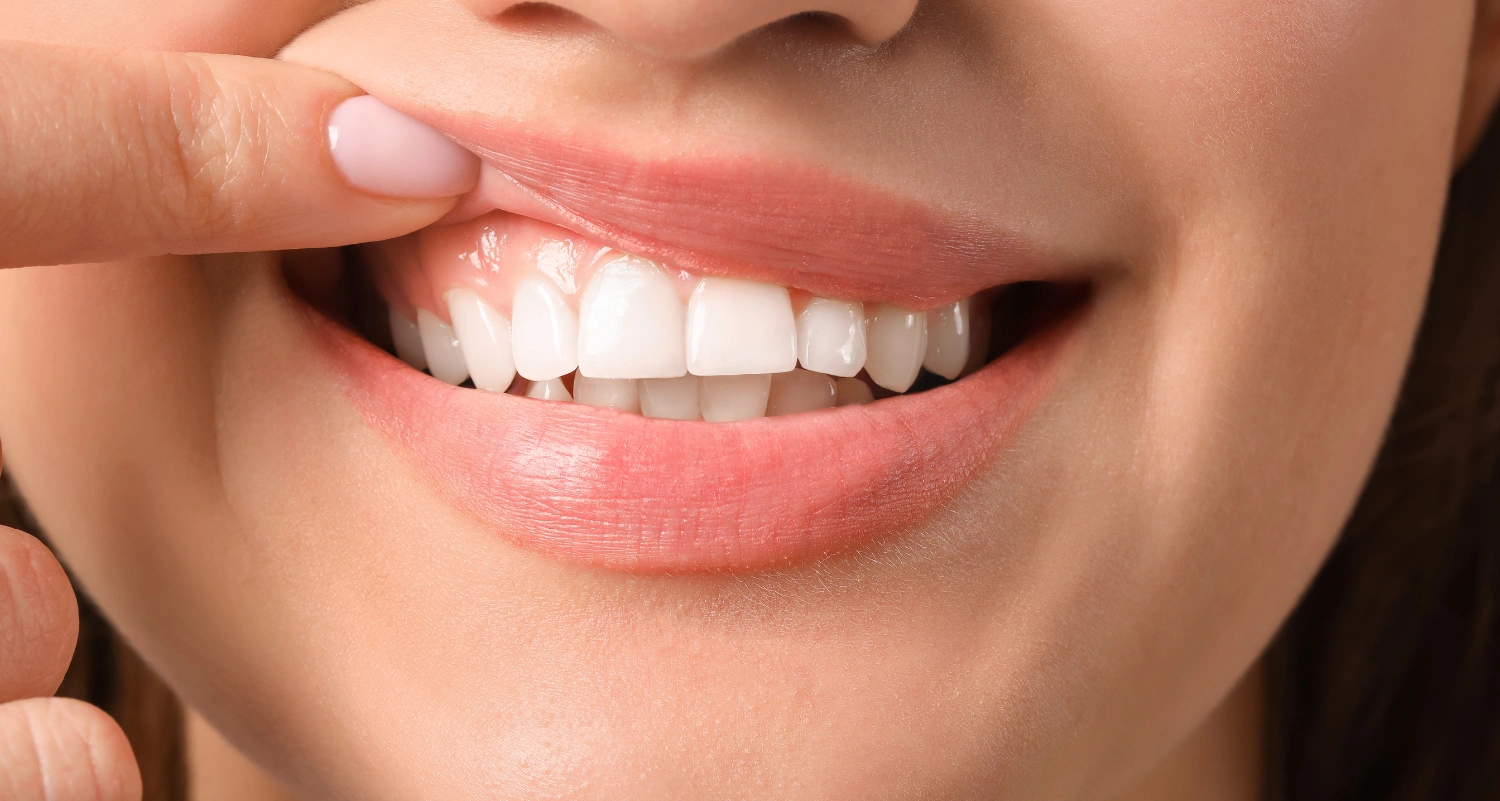
A masterpiece painting requires both exceptional artwork and an appropriate frame to showcase its beauty. Your smile follows identical principles—even the most well-shaped and whitened teeth can appear unbalanced without proper gum contouring aesthetics.
Professional smile design has evolved far beyond focusing solely on tooth colour and alignment. According to Australian aesthetic dentistry research, gum contouring aesthetics play a crucial role in patient satisfaction, with studies showing that balanced gum-to-tooth ratios significantly influence perceived attractiveness.
Understanding the principles that govern ideal gum contouring aesthetics helps explain why some smiles appear naturally beautiful whilst others seem disproportionate despite having straight, white teeth. The science behind these proportions combines mathematical ratios, biological considerations, and artistic principles.
The Mathematics of Beautiful Smiles
Gum contouring aesthetics operate according to specific mathematical relationships that the human eye instinctively recognises as pleasing. These proportions reflect fundamental patterns found throughout nature that create visual harmony.
The golden ratio appears prominently in ideal gum-to-tooth relationships, where the visible crown length should relate to crown width in approximately 1.6:1 proportions. This mathematical relationship creates teeth that appear neither too square nor too narrow.
Symmetry considerations in gum contouring aesthetics focus on creating harmonious gum heights across the smile, whilst allowing for subtle asymmetries that make smiles appear natural rather than artificial.
The exposure ratio between tooth structure and gum tissue significantly influences smile aesthetics. Ideally, upper front teeth should show approximately 1-2mm of gum tissue during maximum smile, creating a frame that showcases teeth without overwhelming them.
Facial proportions guide gum contouring aesthetics by establishing how much tooth structure should be visible relative to lip position and facial height. Age-related considerations affect ideal proportions, as gum tissue naturally recedes with time.
Biological Foundations of Gum Health
Successful gum contouring aesthetics require understanding the biological factors that influence both immediate results and long-term stability. Healthy gum tissue provides the foundation for any aesthetic improvement.
Biologic width represents the natural attachment between tooth and gum that must be preserved during any contouring procedure. Violating this relationship can lead to chronic inflammation or recession.
Gum thickness varies significantly between individuals and influences the types of contouring procedures that can be performed safely. Thick gum tissue typically responds well to reshaping, whilst thin tissue requires more conservative approaches.
Bone support underneath gum tissue ultimately determines gum position and stability. Gum contouring aesthetics must consider underlying bone architecture to ensure that improvements remain stable over time.
Healing patterns following gum contouring procedures vary based on individual factors including age, health status, and oral hygiene practices. Blood supply to gum tissues influences both healing and long-term stability of contouring results.
Clinical Techniques and Approaches
Modern gum contouring aesthetics employ various techniques that allow precise sculpting of gum tissue to achieve ideal proportions. Each approach offers specific advantages and limitations that influence treatment planning.
Laser gum contouring provides exceptional precision and typically results in faster healing compared to traditional surgical methods. The laser energy seals blood vessels during treatment, reducing bleeding and post-operative discomfort.
Electrosurgery techniques offer excellent control for removing excess gum tissue and reshaping contours. This approach works particularly well for patients with thick gum tissue who require more significant contouring.
Traditional surgical methods using scalpels remain valuable for complex cases requiring precise tissue management. These approaches allow for careful tissue handling and optimal healing when performed by experienced practitioners.
Gingivectomy procedures remove excess gum tissue to expose more tooth structure, effectively lengthening the appearance of teeth. Crown lengthening involves both gum and bone recontouring to expose additional tooth structure safely when significant changes are needed.
Digital Planning and Smile Design
Contemporary gum contouring aesthetics benefit enormously from digital planning tools that allow precise visualisation of proposed changes before treatment begins. These technologies help ensure optimal outcomes whilst managing patient expectations.
Digital smile design software enables practitioners to simulate various gum contour options and show patients how different approaches will affect their final appearance. Photography protocols document existing gum contours and provide references for achieving consistent results.
Measurement systems establish precise targets for gum contouring aesthetics based on facial proportions and aesthetic principles. Computer-guided procedures use digital information to direct treatment, improving precision and reducing variability in outcomes.
Integration with Other Aesthetic Treatments
Gum contouring aesthetics rarely exist in isolation but rather form part of comprehensive smile makeovers that may include multiple treatments. Understanding how gum procedures integrate with other aesthetic improvements helps optimise overall results.
Orthodontic treatment often precedes gum contouring to establish optimal tooth positions before final aesthetic refinements. Veneer placement may follow gum contouring to take advantage of newly exposed tooth structure and optimised gum contours.
Teeth whitening typically occurs before gum contouring procedures to establish final tooth colour before making irreversible changes to gum tissue. Crown and bridge work must consider final gum contours during planning stages to ensure that restorations emerge naturally from gum tissue.
Maintenance and Long-Term Care
Preserving the results of gum contouring aesthetics requires ongoing attention to oral hygiene and professional maintenance. Understanding these requirements helps ensure that aesthetic improvements remain stable over time.
Daily oral hygiene practices must be modified to accommodate newly contoured gum tissue during the healing period. Gentle brushing techniques and appropriate cleaning aids help maintain tissue health whilst avoiding trauma.
Professional maintenance visits allow monitoring of healing progress and early detection of any complications. Regular cleanings help maintain the health of contoured tissues and preserve aesthetic results long-term.
Touch-up procedures may occasionally be needed to maintain optimal gum contouring aesthetics as tissues change over time. Understanding this possibility helps patients maintain realistic expectations about long-term results.
Your Journey to Aesthetic Excellence
Achieving ideal gum contouring aesthetics requires careful consideration of mathematical proportions, biological limitations, and individual aesthetic goals. The interplay between these factors determines both the safety and success of aesthetic improvements.
At Dental Couture in Sunbury, we specialise in comprehensive aesthetic treatments that consider all elements of smile design, including gum contouring aesthetics. Our team combines advanced techniques with artistic vision to create results that enhance your natural beauty whilst maintaining optimal oral health.
Whether your needs involve minor gum reshaping or comprehensive smile transformation including veneers and other treatments, we provide expert guidance throughout your aesthetic journey. Our commitment to excellence ensures that every aspect of your smile works together harmoniously.
Ready to explore how gum contouring aesthetics can enhance your smile? Contact Dental Couture today to schedule your comprehensive aesthetic consultation. Call us on 13 COUTURE or complete our online enquiry form to begin your journey toward an ideally balanced, beautiful smile you deserve.