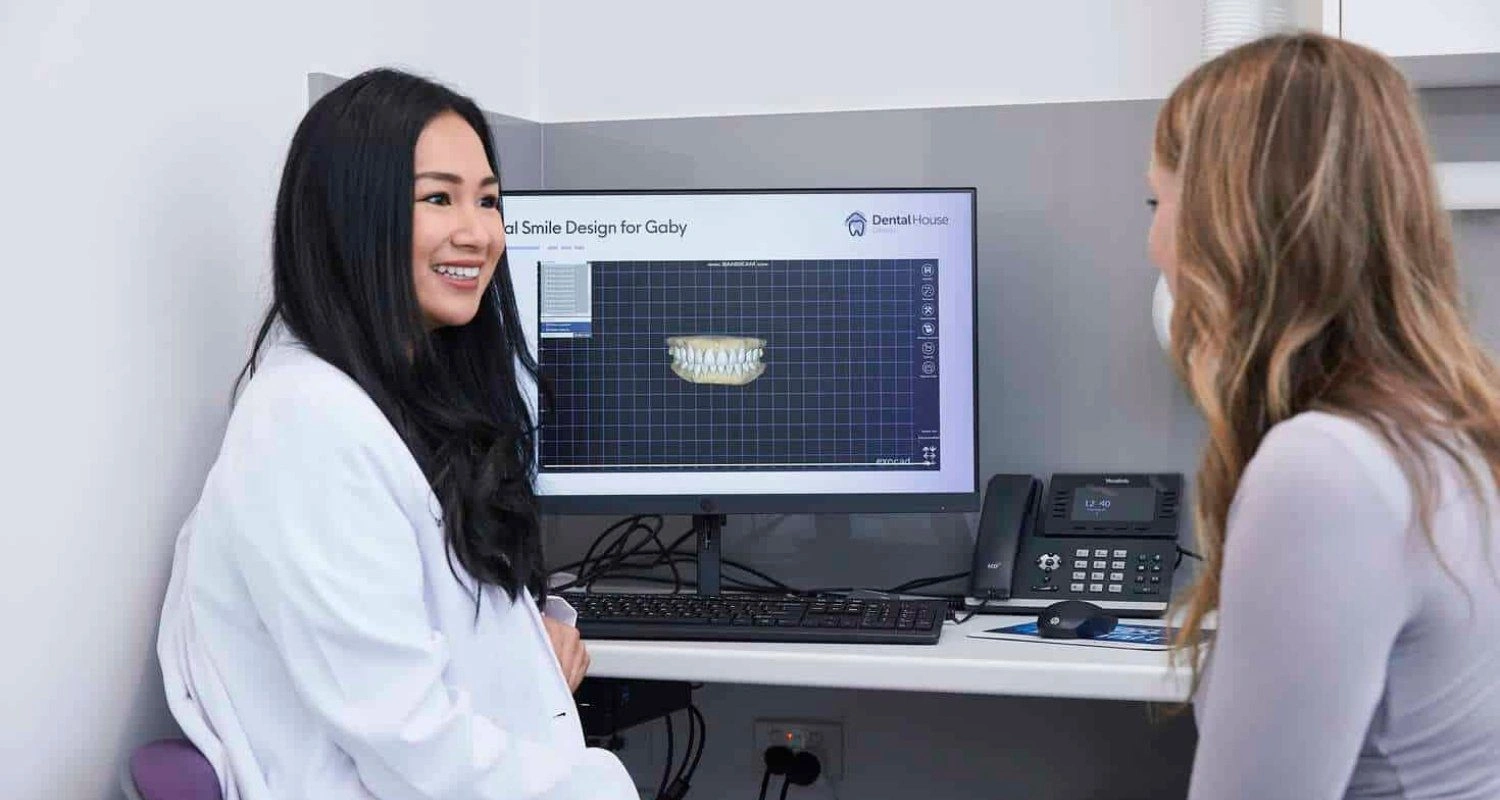
Digital dentistry has evolved from isolated systems performing single functions to interconnected platforms that share data seamlessly across multiple technologies. Digital Smile Design integration represents the convergence of aesthetic planning software with manufacturing systems like CEREC, creating workflows that bridge the gap between design visualisation and physical restoration fabrication.
Understanding how Digital Smile Design integration works with other dental technologies requires appreciating both the technical capabilities and clinical benefits of connected systems. This integration transforms treatment planning from disconnected steps into a unified digital workflow that enhances precision whilst reducing treatment time.
The practical implications of Digital Smile Design integration extend beyond simple data transfer. When properly implemented, these connected systems enable practitioners to move seamlessly from aesthetic planning through to final restoration delivery, maintaining design intent throughout the entire treatment process.
Technical Foundation of Integration
Digital Smile Design integration relies on standardised file formats and communication protocols that allow different software systems to share information effectively. The STL file format serves as the common language between Digital Smile Design software and manufacturing systems like CEREC, enabling precise data transfer without dimensional accuracy loss.
DICOM integration allows Digital Smile Design systems to incorporate cone beam CT data and intraoral scan information directly into the aesthetic planning process. This ensures that smile design proposals align with actual anatomical structures and existing dental work.
CAD/CAM workflow integration connects Digital Smile Design planning with milling systems, allowing designed restorations to be manufactured directly from aesthetic proposals. This eliminates manual interpretation of design intent, reducing variability between planned and delivered results.
Digital impression integration streamlines data capture by connecting intraoral scanners directly with Digital Smile Design software. This connection enables real-time design modifications based on captured tooth preparations and tissue relationships.
CEREC System Integration
CEREC integration with Digital Smile Design represents one of the most established examples of dental technology convergence. The seamless data transfer between smile design software and CEREC milling systems enables same-day delivery of aesthetically planned restorations.
Design proposal transfer from Digital Smile Design to CEREC maintains the aesthetic parameters established during planning. This includes tooth shape, size relationships, and surface characteristics that define the proposed smile enhancement.
Material selection integration allows Digital Smile Design proposals to specify ceramic blocks and shades that CEREC systems can utilise during fabrication. This ensures that aesthetic goals align with available materials and manufacturing capabilities.
Preparation guidance integration helps ensure that tooth preparations support both the aesthetic design and the manufacturing requirements of CEREC systems. This coordination reduces the likelihood of design compromises during fabrication.
Intraoral Scanner Integration
Digital Smile Design integration with intraoral scanning systems creates efficient workflows that capture existing conditions whilst supporting design planning. This connection eliminates redundant data capture steps whilst ensuring design accuracy.
Real-time scanning integration allows practitioners to capture tooth preparations and immediately incorporate them into existing Digital Smile Design proposals. This capability supports efficient appointment scheduling and reduces patient visits.
Tissue relationship capture through integrated scanning systems ensures that Digital Smile Design proposals account for gum contours, papilla positions, and other soft tissue factors that influence aesthetic outcomes.
Bite registration integration captures functional relationships that Digital Smile Design systems can incorporate into aesthetic planning. This ensures that smile enhancements support proper function as well as appearance.
Laboratory Workflow Integration
Digital Smile Design integration with laboratory systems supports efficient case management and quality control throughout the fabrication process. This connectivity ensures that design intent transfers accurately to laboratory technicians.
Case communication integration eliminates the ambiguity often associated with traditional laboratory prescriptions. Digital Smile Design proposals provide clear visual guidance that laboratory technicians can follow precisely.
Approval workflow integration allows laboratories to submit proposed restorations for practitioner review before final fabrication. This step ensures that manufactured restorations align with design expectations before delivery.
Material specification integration connects Digital Smile Design aesthetic goals with laboratory material selection. This ensures that chosen materials support the planned aesthetic whilst meeting functional requirements.
Orthodontic Treatment Integration
Digital Smile Design integration with orthodontic planning systems enables comprehensive treatment approaches that address both tooth position and aesthetic goals. This integration supports coordinated care that optimises both function and appearance.
Treatment sequencing integration helps determine whether orthodontic movement should precede restorative work or whether restorative solutions can address both alignment and aesthetic concerns simultaneously.
Virtual treatment outcome integration allows patients to visualise the combined effects of orthodontic movement and restorative enhancement. This comprehensive preview supports informed treatment decisions.
Progress monitoring integration tracks orthodontic movement relative to aesthetic goals, ensuring that tooth positioning supports planned restorative work.
Clinical Workflow Benefits
This integration streamlines clinical appointments by eliminating redundant procedures and reducing the time between planning and delivery. Connected systems enable efficient case progression whilst maintaining quality standards.
Patient communication benefits from integration through consistent visualisation across different treatment phases. Patients can see how planning decisions translate into actual treatment outcomes.
Quality assurance improves through integration by maintaining design parameters throughout the fabrication process. This consistency reduces the likelihood of aesthetic compromises during treatment delivery.
Efficiency gains from integration reduce overall treatment time whilst improving predictability. Connected systems eliminate many sources of variability that can compromise treatment outcomes.
Implementation Considerations
DSD integration requires careful evaluation of existing systems and workflows to ensure compatibility and efficiency. Not all combinations of technologies provide equal benefits, making system selection crucial for optimal outcomes.
Training requirements for integrated systems often exceed those for standalone technologies. Practitioners and staff need to understand both individual system capabilities and integration protocols for optimal results.
Technical support becomes more complex with integrated systems, requiring coordination between multiple vendors and understanding of interdependent relationships.
Update coordination ensures that software updates across integrated systems maintain compatibility and functionality. This coordination requires ongoing attention to system maintenance.
Your Integrated Treatment Options
Integration with other dental technologies offers significant advantages for comprehensive treatment planning and delivery. These connected workflows enhance precision whilst improving efficiency for both practitioners and patients.
At Dental Couture in Melbourne’s Sunbury, we utilise integrated digital systems that connect aesthetic planning with manufacturing and delivery systems. Our Digital Smile Design integration capabilities support comprehensive treatment approaches for veneers, crowns, and other aesthetic enhancements.
Our investment in connected technologies enables us to provide predictable outcomes whilst reducing treatment time for Melbourne and Sunbury patients. Whether you’re considering veneers, All-On-4 Plus®, or other aesthetic treatments, our integrated workflows support optimal results.
Ready to experience the benefits of integrated digital dentistry? Contact Dental Couture today to schedule your consultation. Call us or complete our online enquiry form to discover how DSD integration can enhance your treatment experience.