Replacing multiple adjacent missing teeth presents several treatment options, each with distinct advantages and limitations. The choice between individual implants for each missing tooth versus an implant-supported bridge often hinges on clinical factors, anatomical considerations, and treatment efficiency. Understanding when implant-supported bridges provide cost-effective implants requires careful analysis of specific patient situations.
The conventional approach of placing one implant per missing tooth may seem straightforward, yet certain clinical scenarios favour implant-supported bridges as more cost-effective implants solutions. These situations involve considerations beyond simple tooth replacement, including bone quality, anatomical constraints, and biomechanical factors.
Modern implant dentistry recognises that strategic implant placement can achieve superior outcomes whilst providing cost-effective implants treatment. The key lies in identifying specific situations where implant-supported bridges offer advantages over individual implant placement.
Bone Quality and Volume Considerations
Compromised bone quality in specific areas often makes implant-supported bridges more viable as cost-effective implants solutions compared to individual implant placement. When one or more sites have insufficient bone volume or poor bone density, strategically placed implants can support a bridge that spans the compromised areas.
Patients with uneven bone resorption patterns benefit from implant-supported bridges as cost-effective implants treatment. Areas with adequate bone can support implants that carry the load for adjacent sites with insufficient bone, eliminating the need for extensive grafting procedures at every location.
Sinus proximity in the posterior maxilla often limits individual implant placement without grafting. Implant-supported bridges can utilise available bone in strategic locations whilst bridging over areas where sinus anatomy prevents individual implant placement.
Previous extraction complications or infections may have compromised specific sites whilst leaving adjacent areas with good bone. Implant-supported bridges allow practitioners to avoid problematic sites whilst still replacing all missing teeth through cost-effective implants placement.
Biomechanical Advantages
Force distribution represents a significant advantage of implant-supported bridges as cost-effective implants solutions. Multiple implants connected through a bridge share occlusal loads more effectively than individual implants, particularly in high-stress areas like the molar region.
Splinting effect provided by implant-supported bridges creates mechanical advantages that individual implants cannot achieve. This splinting reduces stress concentration on individual implants whilst providing more stable prosthetic support.
Cantilever forces from missing posterior teeth can be managed more effectively through implant-supported bridges than individual implants. Strategic implant placement allows for proper force distribution whilst eliminating the need for implants in the most posterior positions.
Occlusal table management becomes more predictable with implant-supported bridges compared to individual implants. The connected restoration allows for optimal contact patterns and force distribution.
Treatment Efficiency and Timing
Surgical efficiency makes implant-supported bridges cost-effective implants solutions in many cases. Fewer implants require less surgical time, reduced anaesthesia, and simpler post-operative management compared to placing individual implants for each missing tooth.
Healing coordination becomes simpler when fewer implants are placed strategically for bridge support. The healing timeline remains consistent across the treatment area, allowing for more predictable prosthetic procedures.
Prosthetic fabrication efficiency improves with implant-supported bridges compared to multiple individual crowns. Laboratory procedures, impression techniques, and fitting appointments are streamlined when fewer implants support connected restorations.
Treatment visits reduce significantly when implant-supported bridges replace individual implant approaches. Fewer surgical appointments, healing evaluations, and prosthetic fittings make this approach more cost-effective implants treatment.
Economic Considerations
Material costs favour implant-supported bridges as cost-effective implants solutions when replacing multiple adjacent teeth. Fewer implants, fewer prosthetic components, and reduced laboratory fabrication create economic advantages over individual implant placement.
Laboratory fees decrease when fabricating implant-supported bridges compared to multiple individual crowns. The connected restoration requires less complex laboratory procedures whilst achieving superior outcomes through cost-effective implants design.
Surgical costs reduce with strategic implant placement for bridge support. Fewer surgical sites, reduced anaesthesia requirements, and simplified procedures contribute to cost-effective implants treatment overall.
Maintenance costs often favour implant-supported bridges over individual implants long-term. Fewer prosthetic components mean fewer potential points of failure and simplified maintenance protocols.
Specific Clinical Scenarios
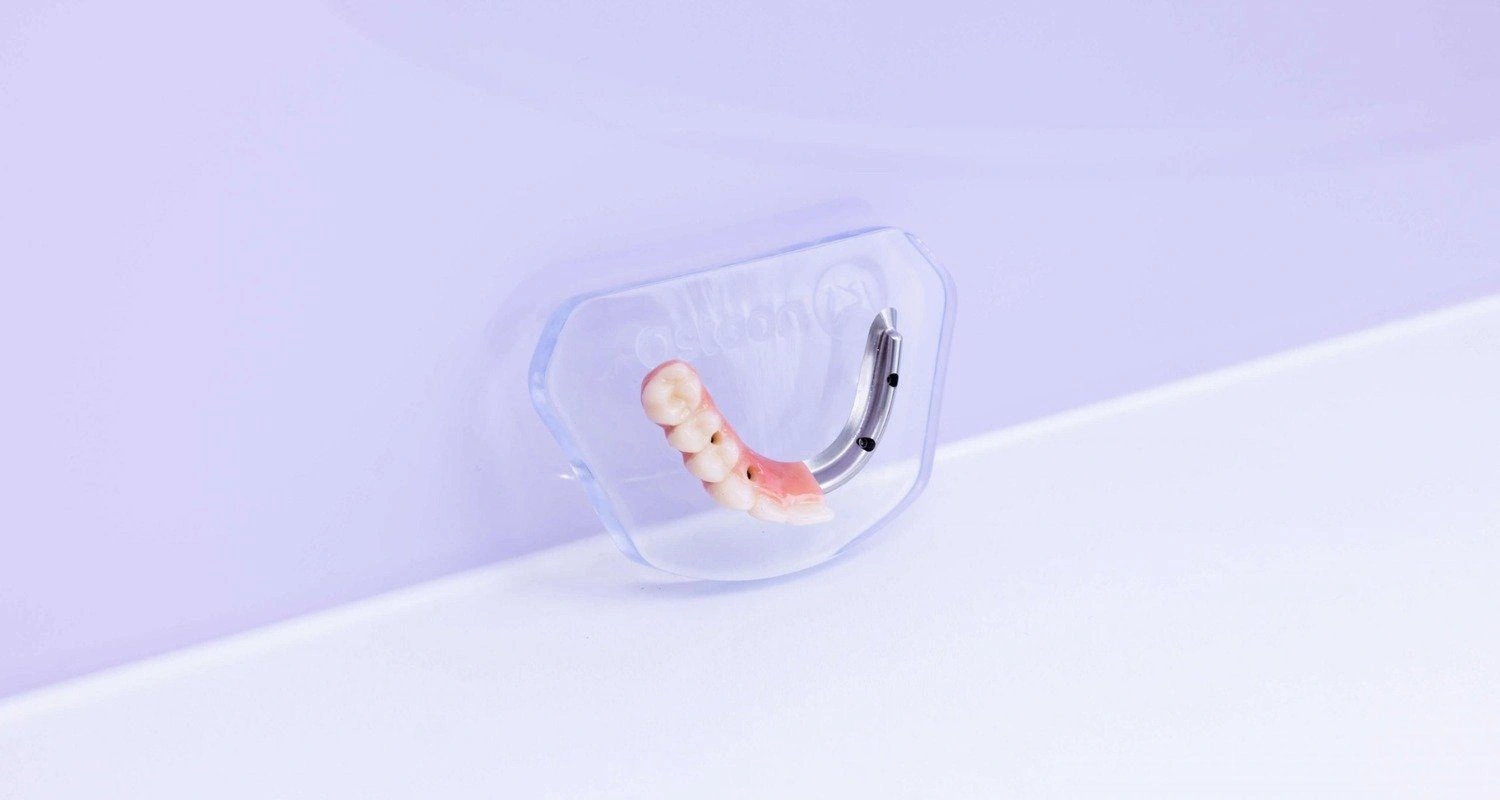
Replacing 3-4 adjacent missing teeth often represents the optimal situation for implant-supported bridges as cost-effective implants treatment. Two strategically placed implants can support a 3-4 unit bridge more effectively than placing individual implants at each site.
Posterior free-end situations frequently benefit from implant-supported bridges rather than individual implants. Strategic anterior implant placement can support bridges that eliminate the need for implants in the most challenging posterior positions.
Combination cases involving both missing teeth and compromised teeth often favour implant-supported bridges. Strategic implant placement can support bridges that also restore compromised natural teeth through cost-effective implants integration.
Patients with limited opening or access challenges benefit from cost-effective implants approaches using bridges. Fewer implant sites reduce the complexity of surgical access whilst achieving complete tooth replacement.
Aesthetic and Functional Outcomes
Gum line aesthetics often improve with implant-supported bridges compared to individual implants. The connected restoration allows for better tissue management and papilla preservation between missing teeth through cost-effective implants design.
Emergence profile control becomes more predictable with implant-supported bridges. Strategic implant placement allows for optimal prosthetic emergence whilst maintaining natural tissue contours.
Functional coordination improves when multiple teeth are restored through connected prosthetics. Implant-supported bridges provide better occlusal coordination than individual implants in many clinical situations.
Speech patterns benefit from the stability and coordination provided by implant-supported bridges. Connected restorations eliminate individual implant movement that might affect speech clarity.
Assessment and Treatment Planning
Individual case evaluation determines when implant-supported bridges provide cost-effective implants solutions. Factors including bone quality, anatomical limitations, patient preferences, and functional requirements influence this decision.
Three-dimensional treatment planning helps identify optimal implant positions for bridge support. Strategic placement maximises bone utilisation whilst minimising the number of implants required for cost-effective implants treatment.
Risk assessment considers both immediate surgical risks and long-term prosthetic complications. Implant-supported bridges may reduce overall risk profiles compared to individual implants in certain clinical situations.
Your Treatment Options
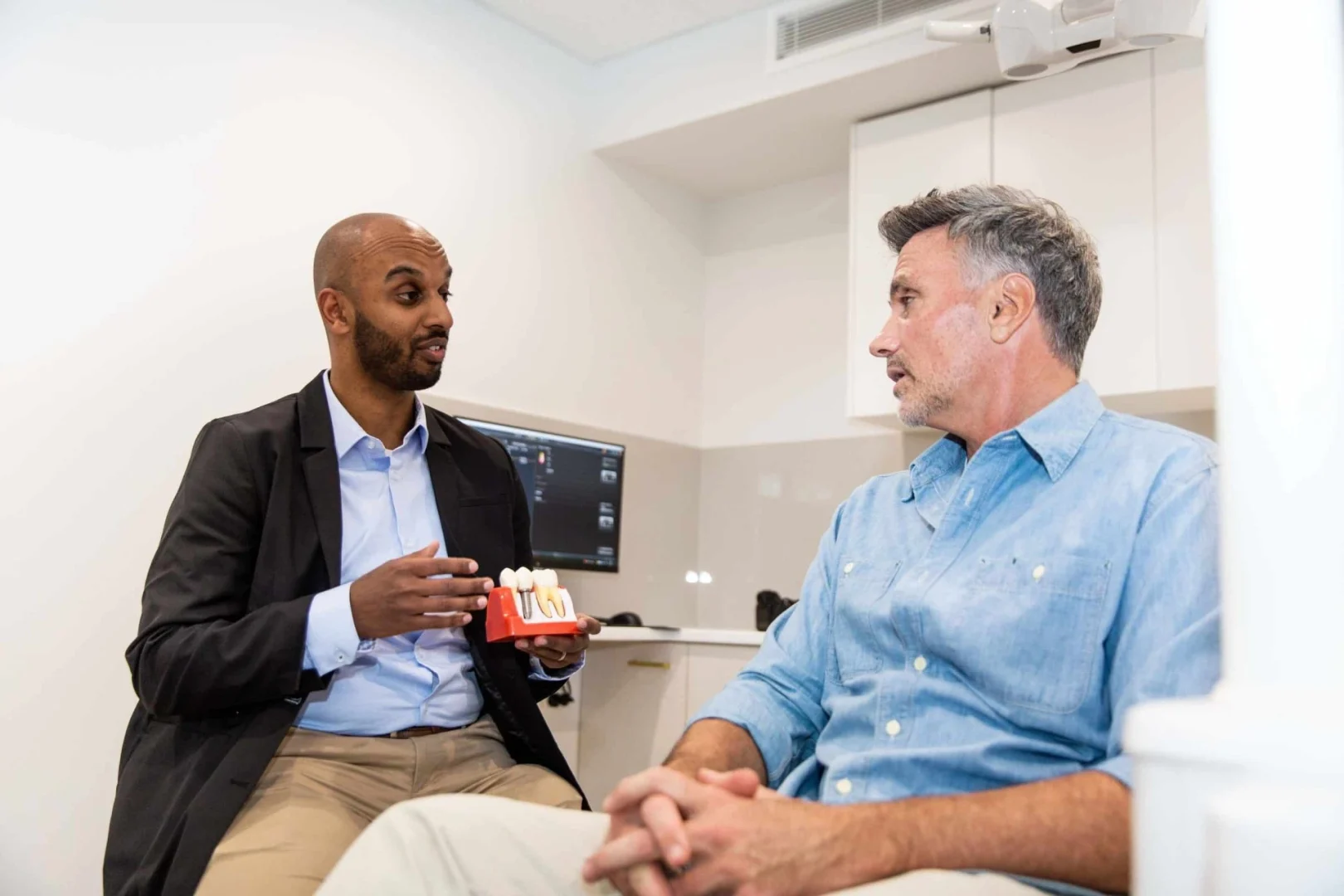
The decision between individual implants and implant-supported bridges requires careful evaluation of your specific clinical situation. Cost-effective implants solutions depend on factors including bone quality, anatomical considerations, and treatment goals.
At Dental Couture in Sunbury, we evaluate each case individually to determine the optimal approach for multiple tooth replacement. Our comprehensive assessment considers all factors that influence treatment success whilst identifying cost-effective implants solutions.
Our expertise in both individual implants and implant-supported bridges, including All-On-4 Plus® systems, allows us to recommend the most appropriate treatment approach. We utilise advanced planning technology to ensure optimal outcomes.
Ready to explore your options for replacing multiple missing teeth? Contact Dental Couture today to schedule your comprehensive consultation. Call us or complete our online enquiry form to discuss cost-effective implants solutions tailored to your specific needs.