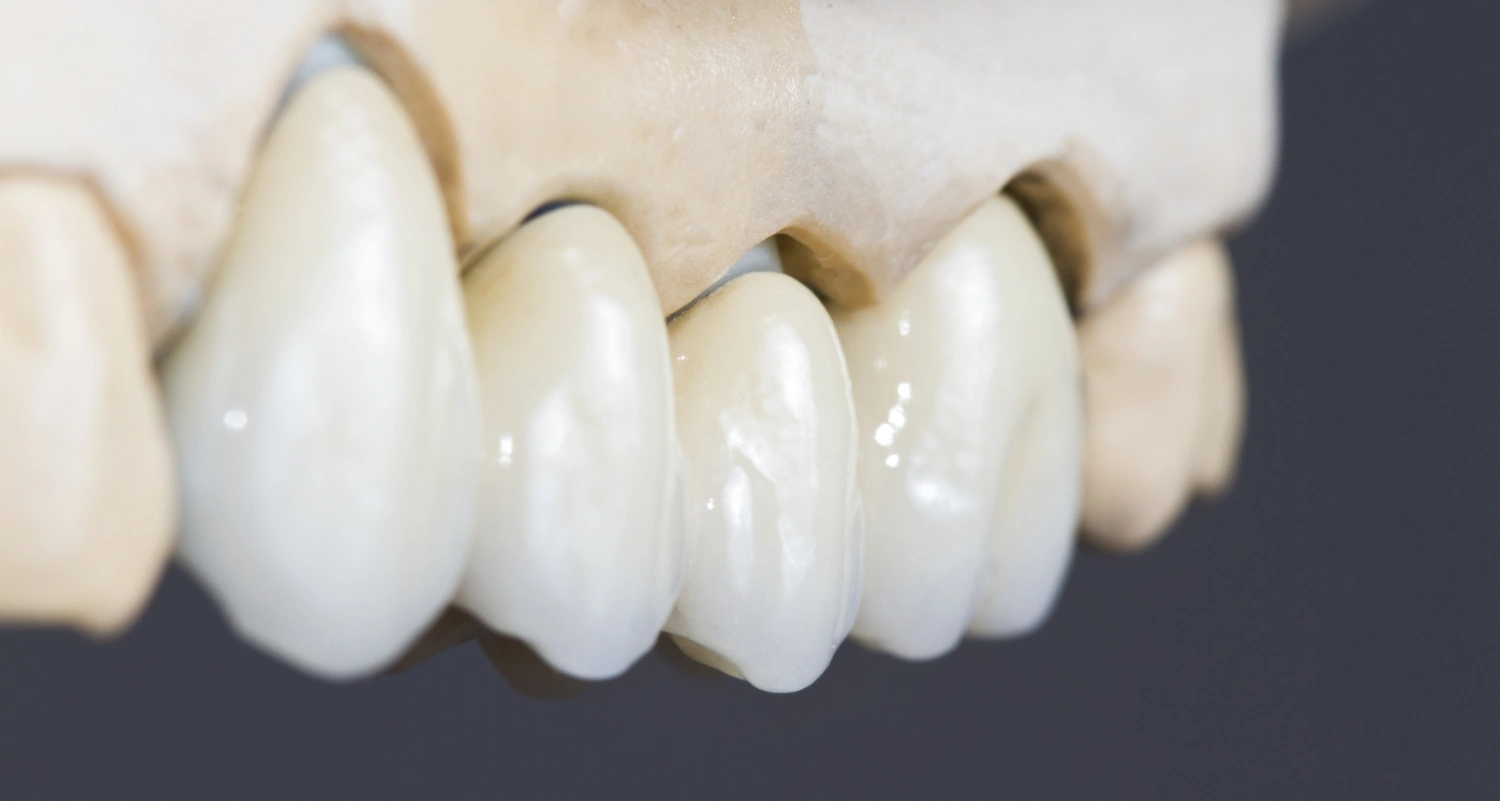
Roman engineers understood that the strongest bridges span the greatest distances whilst distributing weight evenly across their foundations. This ancient wisdom applies perfectly to modern dentistry, where a multi-tooth bridge can elegantly replace several adjacent missing teeth using the same fundamental principles.
The concept of replacing multiple teeth with a single restoration might seem counterintuitive—wouldn’t individual replacements be stronger? Yet dental engineering tells a different story. According to Australian prosthodontic research, well-designed multi-tooth bridges demonstrate remarkable longevity, with success rates exceeding 85% over 15-year periods when proper case selection and maintenance protocols are followed.
Understanding when and how multi-tooth bridge solutions work requires appreciating the complex relationship between oral anatomy, chewing forces, and restoration design. For patients missing several adjacent teeth, these bridges offer unique advantages that individual replacements cannot match.
The Science of Spanning Multiple Spaces
A multi-tooth bridge functions as an integrated unit that distributes chewing forces across multiple support teeth, creating stability that individual crowns cannot achieve. This force distribution principle explains why longer bridges can sometimes be stronger than shorter ones when properly designed.
The physics involved mirrors suspension bridge engineering, where the structure’s strength comes from how forces transfer through the entire system. In dental applications, chewing forces applied to any portion of the multi-tooth bridge distribute through the connected restoration and into the supporting teeth.
Biological considerations play equally important roles in multi-tooth bridge success. The connected design helps stabilise supporting teeth against lateral forces that can cause individual crowns to fail over time. This stabilisation effect often results in better long-term health for the supporting teeth.
Modern materials science has enhanced multi-tooth bridge capabilities significantly. Advanced ceramics and metal frameworks can span longer distances whilst maintaining the flexural strength needed to resist fracture under normal chewing forces.
Design Considerations for Extended Bridges
Creating successful multi-tooth bridges requires careful analysis of several critical factors that determine both immediate success and long-term stability. The health and position of supporting teeth form the foundation of any bridge design.
Root surface area calculations determine whether supporting teeth can handle the additional load of carrying neighbouring tooth replacements. Generally, each supporting tooth should provide enough root surface area to carry its own load plus half the load of one adjacent missing tooth.
Crown-to-root ratios significantly influence multi-tooth bridge success. Supporting teeth with shorter roots or extensive crown height may not provide adequate support for extended bridges. Digital analysis helps evaluate these relationships precisely before treatment begins.
Bone support around supporting teeth must be evaluated thoroughly, as any periodontal compromise can affect the entire bridge. The connected nature of multi-tooth bridges means that problems with one supporting tooth can impact the entire restoration.
Bite forces and jaw movement patterns influence bridge design significantly. Patients with heavy bite forces may require additional supporting teeth or alternative treatment approaches.
Clinical Applications and Limitations
Multi-tooth bridges excel in specific clinical situations whilst having limitations that make them unsuitable for certain cases. Understanding these applications helps patients and dentists determine when bridge therapy offers optimal solutions.
Replacing two to four adjacent missing teeth represents the ideal application for multi-tooth bridges. This range allows for adequate support whilst avoiding the complications associated with very long spans.
Front tooth replacement with multi-tooth bridges offers excellent aesthetic results, as the connected restoration can create ideal proportions and symmetry. The ability to control emergence profiles across multiple teeth often produces superior cosmetic outcomes.
Back tooth applications require careful force analysis, as posterior teeth experience higher chewing loads. Multi-tooth bridges in molar regions typically require robust designs and may need additional supporting teeth.
Age considerations influence treatment planning significantly. Younger patients with healthy supporting teeth often benefit from multi-tooth bridges that preserve bone and maintain facial support.
Maintenance and Long-Term Care
Multi-tooth bridges require specific maintenance protocols that differ from natural teeth or individual restorations. The connected nature of these restorations creates unique cleaning challenges that patients must understand and manage effectively.
Interdental cleaning becomes crucial, as traditional floss cannot pass between connected bridge units. Specialised floss threaders, water irrigators, or interdental brushes help maintain cleanliness around and under bridge pontics. Daily cleaning of these areas prevents bacterial accumulation.
Professional maintenance requires specialised techniques and equipment. Dental hygienists use specific instruments and procedures to clean around multi-tooth bridges effectively. Regular professional care helps identify potential problems before they become serious complications.
Bite guard protection may be recommended for patients with grinding or clenching habits. The connected nature of multi-tooth bridges makes them particularly susceptible to damage from parafunctional forces.
Modern Advances in Bridge Technology
Contemporary multi-tooth bridge technology incorporates significant advances in materials, design, and fabrication that enhance both success rates and aesthetic outcomes. These improvements have expanded the indications for bridge therapy whilst improving long-term predictability.
Computer-aided design allows precise planning of multi-tooth bridges with optimal force distribution and aesthetic integration. Digital workflows enable virtual testing of different design options before fabrication begins.
Advanced ceramic materials provide strength approaching that of natural teeth whilst maintaining excellent aesthetic properties. These materials resist wear, staining, and fracture better than older alternatives.
Implant-supported bridges combine the spanning capability of traditional bridges with the bone preservation benefits of implant therapy. This hybrid approach can address complex cases where conventional bridges might not be suitable.
Your Bridge to Complete Oral Health
Multi-tooth bridges represent sophisticated solutions for replacing multiple adjacent missing teeth when clinical conditions support their use. Understanding the engineering principles, biological requirements, and maintenance needs helps ensure optimal outcomes for patients choosing this treatment approach.
At Dental Couture in Sunbury, we evaluate each case individually to determine whether multi-tooth bridges offer the best solution for your specific situation. Our comprehensive assessment considers supporting tooth health, bite forces, aesthetic requirements, and long-term maintenance capabilities.
For cases where bridges may not be suitable, we also specialise in implant-based solutions like All On 4 Plus® that can address multiple missing teeth with different approaches. Whether your needs are best served by conventional bridges, implant therapy, or other treatments, our team provides expert guidance.
Ready to explore your options for replacing multiple missing teeth? Contact Dental Couture today to schedule your comprehensive consultation. Call us on 13 COUTURE or complete our online enquiry form to discuss how multi-tooth bridge solutions or alternative treatments can restore your complete smile.