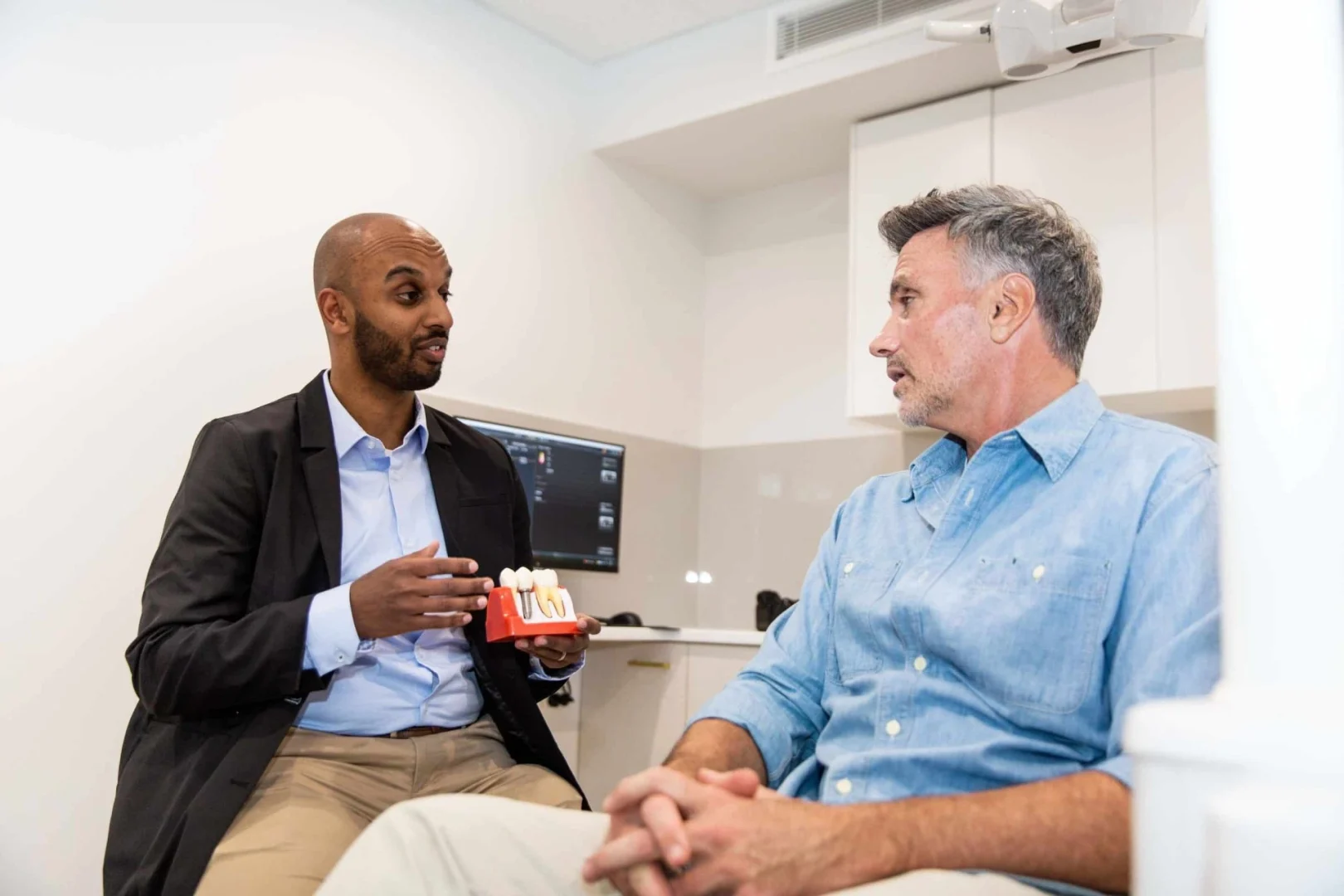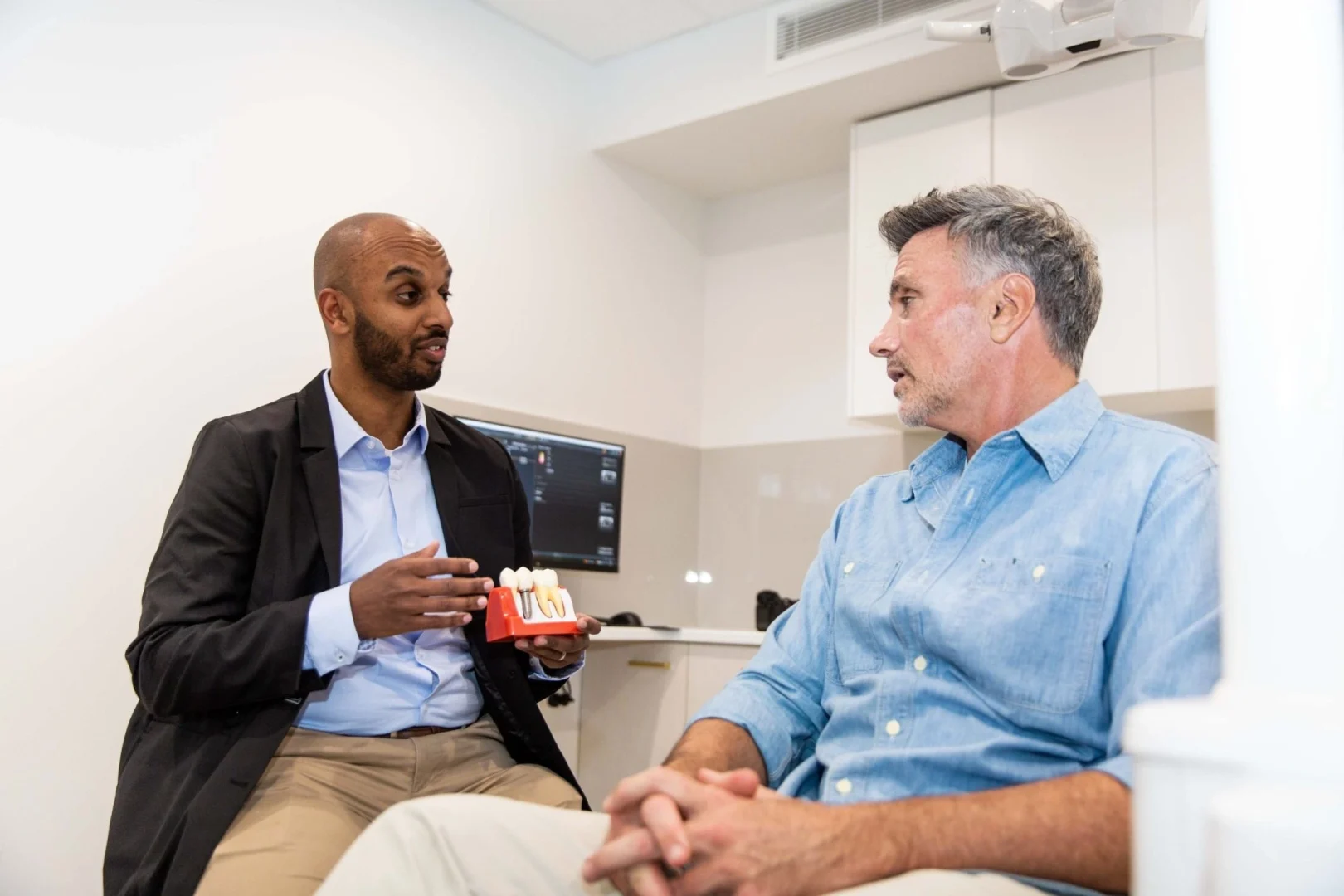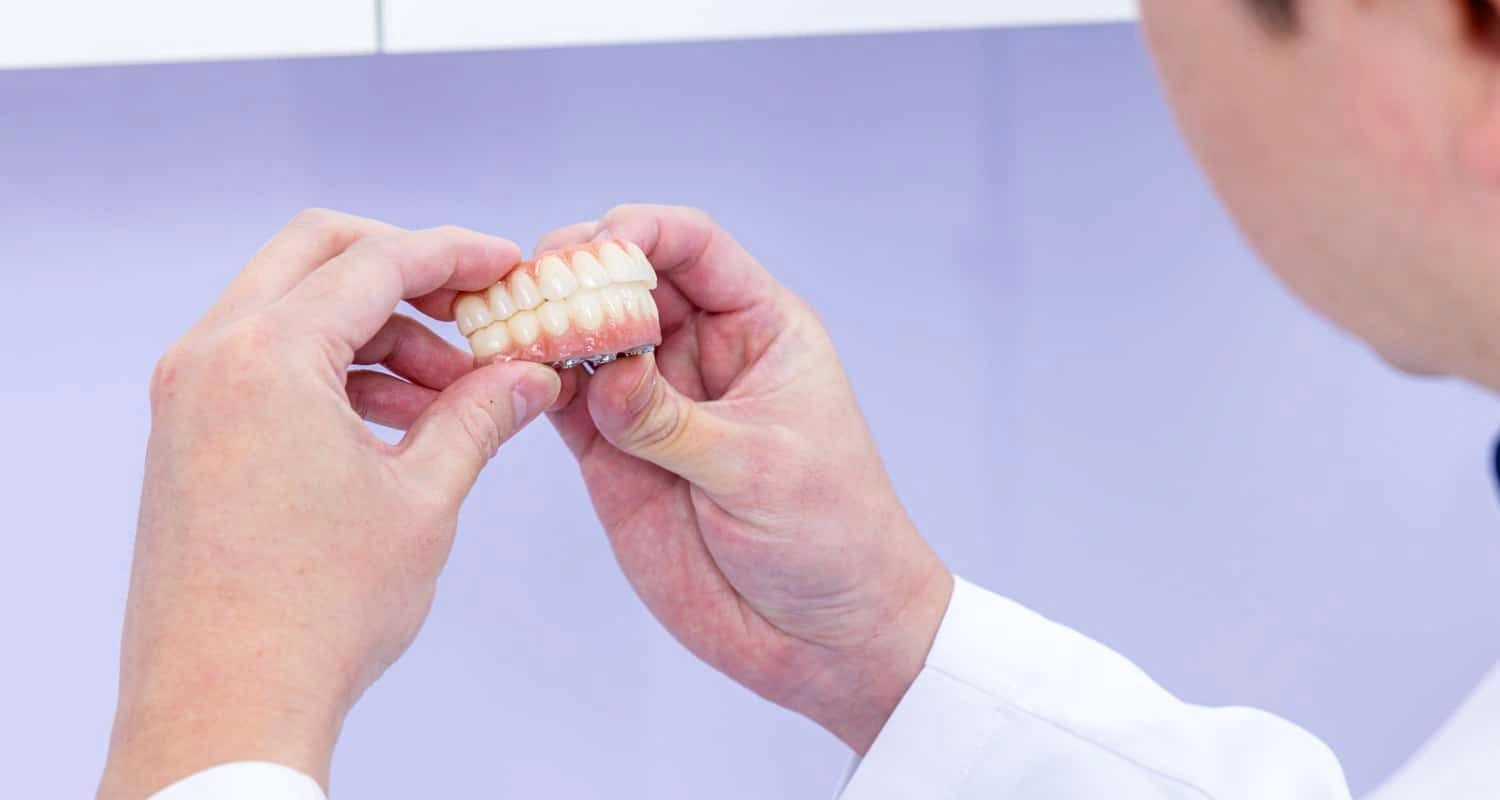
When facing extensive tooth loss in the upper jaw with significant bone deterioration, many patients worry they’ll require extensive bone grafting before receiving fixed teeth. At Dental Couture in Sunbury, we regularly discuss how pterygoid implants can be integrated into All-On-4 Plus® treatment to enable complete arch rehabilitation with immediate function, even in challenging cases.
Understanding how pterygoid implants work within comprehensive full-arch solutions can help you appreciate the advanced options available for restoring your smile without the delays and complexity of traditional grafting approaches.
Understanding Pterygoid Implants in Complete Arch Rehabilitation
Pterygoid implants represent a sophisticated approach to complete arch rehabilitation that utilises anatomical structures often overlooked in conventional implant treatment. These specialised implants engage the pterygoid plates of the sphenoid bone, accessing dense cortical bone that typically remains unaffected by the resorption processes that compromise other jaw areas.
The pterygoid region maintains its bone density even when significant alveolar bone loss has occurred throughout the upper jaw. This characteristic makes pterygoid implants particularly valuable for patients who might otherwise require extensive bone grafting before receiving fixed teeth.
In the context of All-On-4 Plus® treatment, pterygoid implants serve as the posterior anchoring points, working in conjunction with anterior implants to support a full arch of fixed teeth. This strategic placement creates a stable foundation that distributes chewing forces effectively whilst avoiding anatomical limitations like the maxillary sinus.
Integration with All-On-4 Plus® for Immediate Function
Complete arch rehabilitation using All-On-4 Plus® with pterygoid implants follows carefully developed protocols that maximise stability whilst enabling immediate function. The integration of pterygoid implants enhances the traditional approach by providing additional support in cases where conventional posterior implant placement would be compromised.
The typical configuration involves placing anterior implants in the front of the jaw where bone is generally more accessible, combined with pterygoid implants positioned at strategic angles to engage the pterygoid plates. Pterygoid implants are typically 15-20mm in length, considerably longer than conventional implants, allowing them to engage sufficient bone for immediate loading.
The dense cortical nature of pterygoid bone offers immediate stability that often exceeds what can be achieved with conventional implants in resorbed alveolar bone. This superior initial stability is what enables complete arch rehabilitation with immediate function, allowing patients to leave surgery with fixed teeth rather than facing months of healing before tooth attachment.
The strategic positioning of pterygoid implants helps distribute occlusal forces more effectively throughout the restoration. By providing posterior support without relying on compromised bone in the maxillary tuberosity region, pterygoid implants help prevent overloading of anterior implants and contribute to long-term restoration stability.
Clinical Advantages and Patient Benefits
One of the most significant benefits of incorporating pterygoid implants into complete arch rehabilitation is the ability to provide immediate function. Patients receive usable teeth on the day of surgery, transforming the treatment experience compared to traditional approaches requiring multiple surgeries spread across 12-18 months.
Complete arch rehabilitation with pterygoid implants typically allows patients to resume eating soft foods within days of surgery, gradually progressing to more varied diets as healing advances. This immediate functionality represents a dramatic improvement over approaches requiring extended healing periods.
The treatment timeline proves considerably shorter when pterygoid implants eliminate the need for bone grafting. Traditional sinus grafting requires 6-12 months of healing before implant placement, whereas complete arch rehabilitation with pterygoid implants can often be restored within 3-4 months from initial surgery to final prosthesis.
Clinical studies demonstrate success rates for pterygoid implants comparable to conventional implants when used as part of complete arch rehabilitation protocols. Five-year survival rates consistently exceed 95% when proper case selection and surgical protocols are followed.
Patient Selection and Assessment Requirements
Not every patient requiring complete arch rehabilitation will need or benefit from pterygoid implants. The decision to incorporate these specialised implants into All-On-4 Plus® treatment depends on careful assessment of individual anatomical and clinical factors.
Severe pneumatisation of the maxillary sinus represents one primary indication for considering pterygoid implants in complete arch rehabilitation. When sinus enlargement has reduced posterior bone height to insufficient levels, pterygoid implants can provide the necessary support without requiring sinus grafting procedures.
Failed previous grafting attempts often indicate that pterygoid implants should be considered for complete arch rehabilitation. When conventional bone augmentation has been unsuccessful, pterygoid implants offer an alternative path to fixed teeth that bypasses the previously compromised areas.
Anatomical variations in sinus shape, the presence of septa, or unfavourable bone quality in the posterior maxilla may all suggest that pterygoid implants would enhance the stability and predictability of complete arch rehabilitation. Three-dimensional imaging is essential for evaluating whether the pterygoid anatomy is suitable for implant placement.
Treatment Planning and Precision at Dental Couture
Successful complete arch rehabilitation incorporating pterygoid implants requires meticulous planning and surgical expertise. At Dental Couture, our approach begins with comprehensive three-dimensional imaging that reveals the pterygoid anatomy in detail.
Cone beam computed tomography provides the detailed anatomical information necessary for safe pterygoid implant placement. This imaging shows bone quality, proximity to vital structures, and the optimal angulation for implant insertion. Virtual surgical planning allows precise determination of implant positioning before surgery begins.
The surgical procedure for complete arch rehabilitation with pterygoid implants typically involves placing anterior implants first, followed by the more technically demanding pterygoid implants. Once all implants are placed and stability is confirmed, the temporary prosthesis is attached and adjusted to ensure proper bite relationships and even load distribution.
Prosthetic considerations play a crucial role in successful complete arch rehabilitation with pterygoid implants. The angulation of these implants requires careful prosthetic design that accommodates the implant emergence angles whilst maintaining proper aesthetics and function.
Research demonstrates that pterygoid implants incorporated into complete arch rehabilitation protocols achieve long-term success. The cortical nature of pterygoid bone supports stable osseointegration following predictable timelines. Whilst the temporary prosthesis provides immediate function, the final permanent restoration is typically placed after 3-6 months once complete integration has occurred.
Complete arch rehabilitation incorporating pterygoid implants represents an advanced solution that enables immediate function even in challenging anatomical situations. By utilising stable pterygoid bone, this approach often eliminates the need for extensive grafting whilst providing the posterior support essential for full-arch restoration success.
Ready to explore whether complete arch rehabilitation with pterygoid implants suits your situation? Contact Dental Couture today to schedule your comprehensive assessment. Our experienced team will evaluate your anatomy and explain how advanced implant techniques can restore your smile with immediate function. Call us or complete our online enquiry form to book your consultation.