Severe posterior jaw bone loss presents one of the most challenging scenarios in implant dentistry. Traditional approaches often require extensive bone grafting procedures that involve multiple surgeries, extended healing periods, and unpredictable outcomes. Pterygoid implants represent a sophisticated alternative to grafting that utilises existing anatomical structures to restore function where conventional implants are not feasible.
Understanding when pterygoid implants serve as a viable alternative to grafting requires knowledge of both anatomical considerations and specific clinical situations where this approach provides advantages. These specialised implants engage the pterygoid plates of the sphenoid bone, accessing a region typically unaffected by resorption processes that compromise other jaw areas.
The decision to recommend pterygoid implants as an alternative to grafting depends on careful assessment of bone quality, anatomical relationships, and patient factors. This approach requires specific expertise and three-dimensional treatment planning to ensure safe and successful outcomes.
Understanding Pterygoid Anatomy
The pterygoid region consists of dense cortical bone plates that maintain their integrity even when significant alveolar bone loss has occurred. This anatomical characteristic makes pterygoid implants a viable alternative to grafting for patients who have experienced extensive posterior maxillary bone loss.
Pterygoid implants are typically 15-20mm in length and engage both the pterygoid plates and the tuberosity region. The bicortical engagement provides excellent primary stability without relying on often-compromised alveolar bone that would require grafting.
The location of pterygoid implants allows them to support posterior teeth replacement whilst avoiding anatomical limitations like the maxillary sinus. This strategic positioning makes them particularly valuable as an alternative to grafting in cases where sinus anatomy complicates conventional approaches.
The cortical nature of pterygoid bone provides immediate stability that often allows for immediate loading protocols. This capability represents a significant advantage over grafting procedures that require extended healing periods before implant placement.
Clinical Indications
Severe pneumatisation of the maxillary sinus represents one of the primary indications where pterygoid implants serve as an alternative to grafting. When sinus enlargement has reduced posterior bone height to less than 4-5mm, pterygoid implants can restore function without complex sinus grafting procedures.
Failed sinus augmentation cases often benefit from pterygoid implants as an alternative to grafting. When previous grafting attempts have been unsuccessful or complications have occurred, pterygoid implants can provide a solution that avoids the compromised grafted areas.
Patients with medical contraindications to extensive surgical procedures may be candidates for pterygoid implants as an alternative to grafting. The less invasive nature of pterygoid implant placement compared to major bone grafting makes this approach suitable for patients with certain health conditions.
Anatomical variations in sinus shape or the presence of septa can complicate conventional sinus grafting. Pterygoid implants offer an alternative to grafting that bypasses these anatomical challenges whilst providing stable implant support.
Treatment Planning and Assessment
Three-dimensional imaging is essential for evaluating pterygoid implant placement as an alternative to grafting. Cone beam computed tomography reveals the pterygoid anatomy, bone quality, and proximity to vital structures necessary for safe treatment planning.
Virtual surgical planning allows precise determination of implant angulation and length before surgery. This planning ensures that pterygoid implants engage adequate bone whilst avoiding anatomical structures, making them a predictable alternative to grafting.
Prosthetic considerations influence the decision to use pterygoid implants as an alternative to grafting. The angulation of pterygoid implants requires specific prosthetic designs that accommodate the implant emergence angles whilst maintaining proper function.
Medical history assessment helps identify patients who are suitable candidates for pterygoid implants as an alternative to grafting. Certain medical conditions may favour this approach over the more extensive procedures required for bone grafting.
Advantages Over Conventional Grafting
Treatment timeline represents a significant advantage of pterygoid implants as an alternative to grafting. Whilst bone grafting may require 6-12 months of healing before implant placement, pterygoid implants can often be restored within 3-4 months.
Surgical morbidity is typically reduced when using pterygoid implants as an alternative to grafting. The elimination of graft harvesting or extensive sinus surgery reduces post-operative discomfort and complications.
Predictability of outcomes favours pterygoid implants as an alternative to grafting in appropriate cases. The consistent quality of pterygoid bone provides more reliable osseointegration compared to grafted bone that may have variable healing patterns.
Cost considerations often favour pterygoid implants as an alternative to grafting when the total treatment cost is considered. The elimination of grafting materials and additional surgical procedures can reduce overall treatment expenses.
Limitations and Contraindications
Anatomical variations can limit the use of pterygoid implants as an alternative to grafting. Insufficient pterygoid bone volume or unfavourable angulation may preclude this approach in some patients.
Surgical complexity requires specific training and experience to utilise pterygoid implants as an alternative to grafting safely. Not all practitioners have the expertise necessary for predictable outcomes with this technique.
Prosthetic limitations may affect the viability of pterygoid implants as an alternative to grafting. The angulated emergence of these implants requires careful prosthetic planning to achieve acceptable aesthetics and function.
Patient selection criteria must be carefully considered when evaluating pterygoid implants as an alternative to grafting. Factors such as oral hygiene capability and compliance with maintenance protocols influence long-term success.
Success Rates and Outcomes
Research demonstrates success rates for pterygoid implants comparable to conventional implants when used as an alternative to grafting in appropriate cases. Five-year survival rates exceed 95% in properly selected patients.
Osseointegration patterns for pterygoid implants follow predictable timelines, making them a reliable alternative to grafting. The cortical nature of pterygoid bone supports stable integration within standard healing periods.
Patient satisfaction with pterygoid implants as an alternative to grafting is typically high due to reduced treatment time and surgical complexity compared to extensive grafting procedures.
Assessment at Dental Couture
Our evaluation process for pterygoid implants as an alternative to grafting begins with comprehensive three-dimensional imaging and clinical assessment. We carefully analyse each patient’s anatomical situation to determine whether pterygoid implants represent the optimal treatment approach.
Advanced treatment planning software allows us to visualise pterygoid implant placement and prosthetic outcomes before treatment begins. This planning ensures that pterygoid implants will function effectively as an alternative to grafting for each specific case.
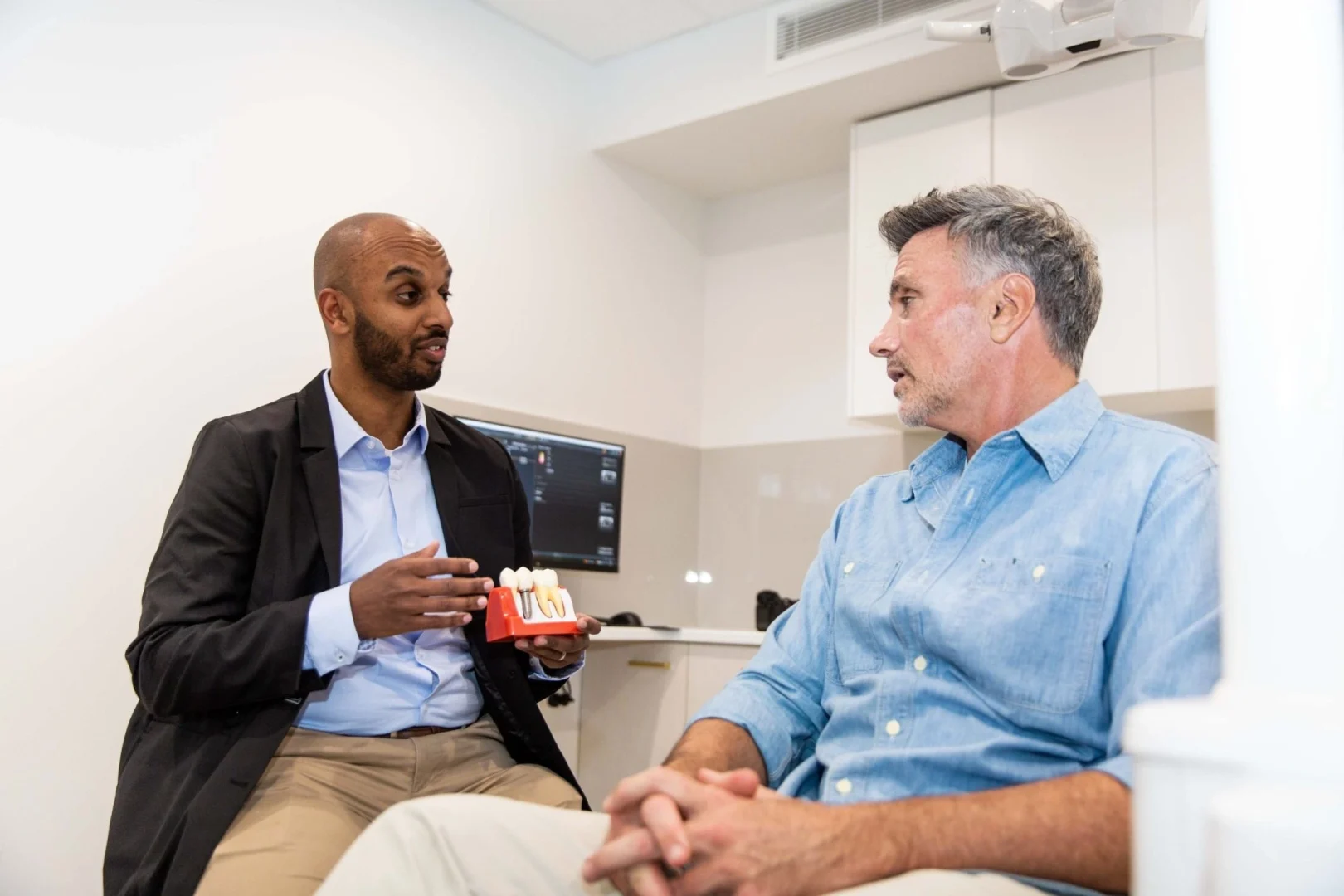
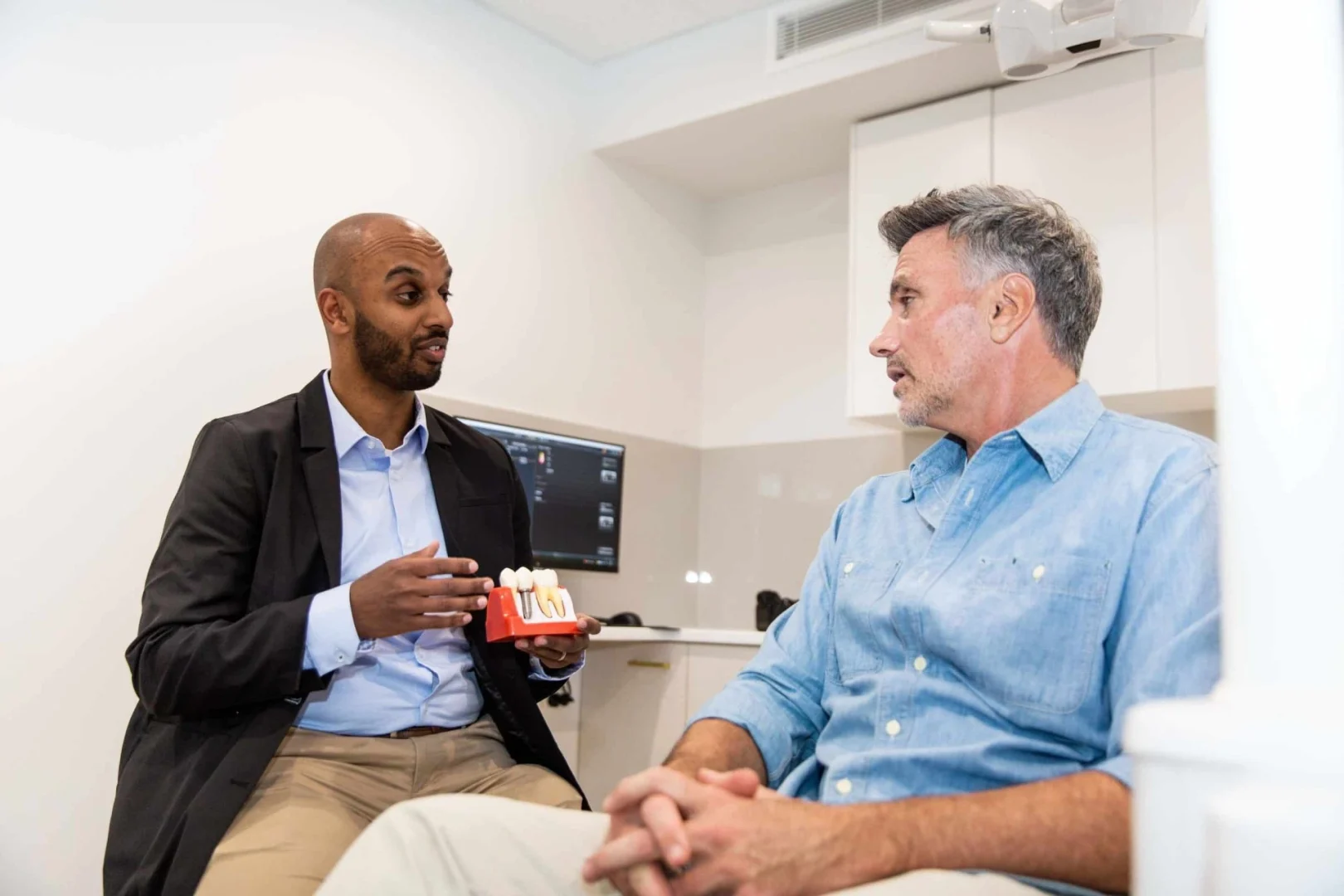
Patient education includes detailed discussion of treatment options, including both pterygoid implants and grafting approaches. We ensure that patients understand the benefits and limitations of each approach before making treatment decisions.
Your Treatment Options
Severe posterior jaw bone loss doesn’t necessarily require extensive grafting procedures. Pterygoid implants may offer a viable alternative to grafting that reduces treatment complexity whilst providing stable, long-term function.
At Dental Couture in Sunbury, we evaluate each case individually to determine whether pterygoid implants represent an appropriate alternative to grafting. Our comprehensive assessment considers anatomical factors, medical history, and treatment goals.
Our expertise in advanced implant techniques, including All-On-4 Plus® and pterygoid implants, allows us to offer alternatives to grafting when appropriate. We utilise the latest technology to provide predictable outcomes for complex cases.
Ready to explore whether pterygoid implants could serve as an alternative to grafting for your situation? Contact Dental Couture today to schedule your consultation. Call us or complete our online enquiry form to discuss advanced implant solutions.