For the estimated 4% of Australians who experience metal sensitivities, traditional implants can trigger reactions ranging from mild discomfort to significant inflammatory responses. Enter zirconia implants—the ceramic alternative that’s transforming implant dentistry for those who thought replacement teeth were beyond their reach.
The story of hypoallergenic implants begins with understanding why some bodies reject what others readily accept. Metal sensitivities aren’t merely inconveniences—they’re genuine immune responses that can compromise healing, cause chronic inflammation, and ultimately lead to implant failure. According to Australian immunology research, metal allergies are becoming increasingly common, with nickel, cobalt, and even titanium triggering reactions in sensitive individuals.
Zirconia implants represent more than just an alternative, they embody a fundamental shift toward biocompatible dentistry that works in harmony with your body’s natural systems.
Understanding Metal Sensitivities in Dental Implants
Metal sensitivity manifests differently in each individual, making diagnosis and treatment particularly challenging. Some patients experience immediate reactions like redness, swelling, or discomfort around the implant site. Others develop delayed responses that can appear months or even years after implant placement.
The immune system recognises certain metals as foreign invaders, triggering inflammatory responses designed to protect the body. Unfortunately, this protective mechanism can interfere with the osseointegration process—the crucial bonding between implant and bone that ensures long-term stability.
Titanium, whilst generally well-tolerated, can occasionally trigger these responses in susceptible individuals. Traditional allergy testing doesn’t always predict implant reactions, as the oral environment creates unique conditions.
The Science Behind Zirconia: Nature’s Own Ceramic
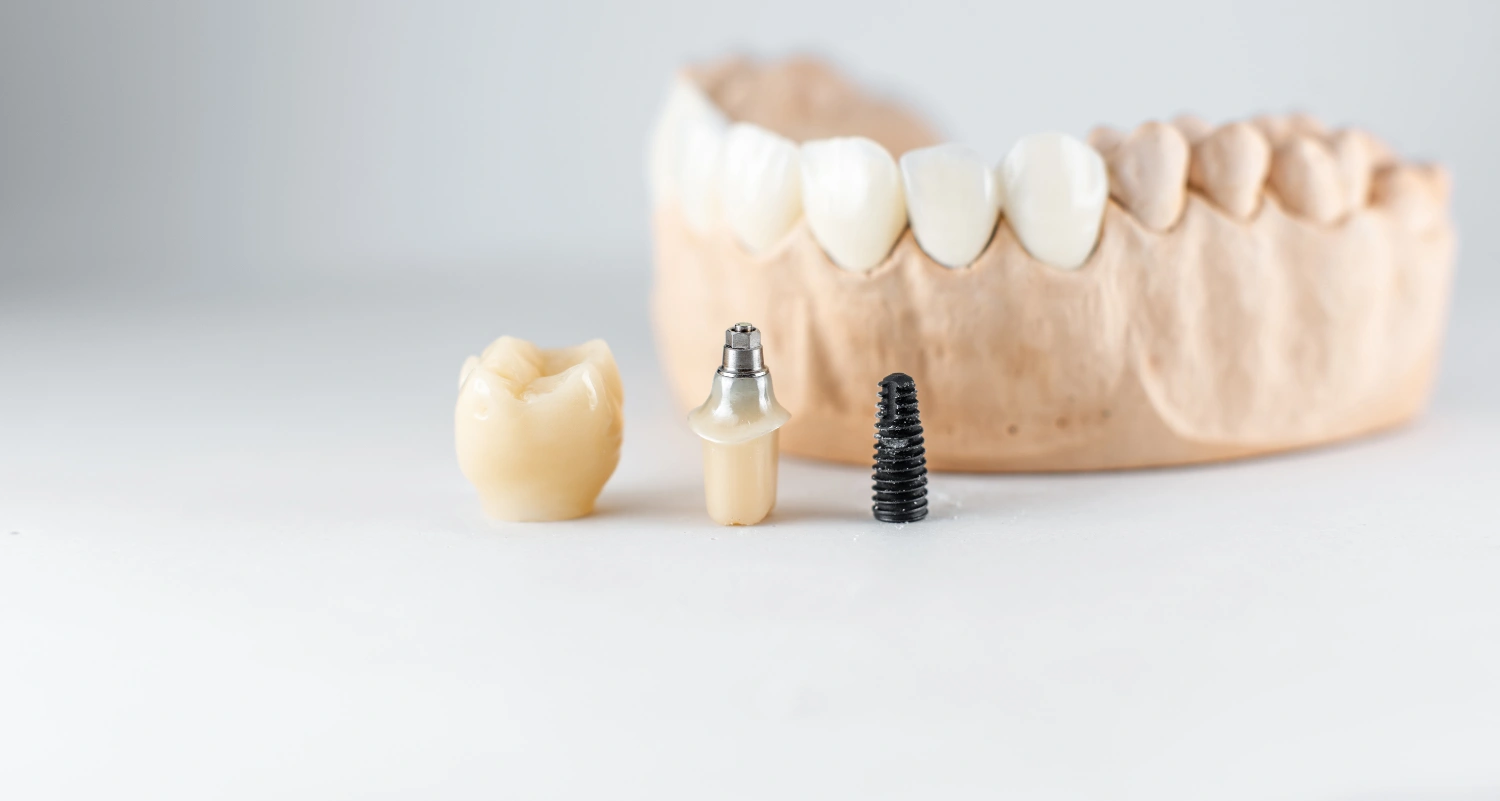
Zirconia represents one of nature’s most biocompatible materials, earning its place as the foundation for hypoallergenic implants through decades of medical research. This ceramic material has been used successfully in hip and knee replacements for over thirty years, demonstrating remarkable compatibility with human tissues.
The molecular structure of zirconia makes it inherently resistant to corrosion, unlike metals that can release ions into surrounding tissues. This stability means the material remains unchanged throughout its lifespan, eliminating concerns about particle migration or chemical reactions within the body.
Zirconia’s white colour offers aesthetic advantages that extend beyond biocompatibility. Unlike titanium implants that can create greyish shadows through thin gum tissue, zirconia maintains tooth-like translucency that supports natural-looking results even in challenging aesthetic zones.
The surface properties of zirconia actively discourage bacterial adhesion, potentially reducing the risk of peri-implantitis—a serious inflammatory condition that can lead to implant failure. This antimicrobial characteristic makes hypoallergenic implants particularly valuable for patients with compromised immune systems.
Modern manufacturing techniques have refined zirconia’s mechanical properties to match the performance of titanium implants. Today’s zirconia implants demonstrate comparable strength and durability whilst offering superior biocompatibility for sensitive patients.
Clinical Advantages of Hypoallergenic Implants
The integration of zirconia implants often proceeds more smoothly in patients with metal sensitivities, as the absence of inflammatory responses allows natural healing processes to proceed uninterrupted.
Bone responds favourably to zirconia’s biocompatible surface, often showing excellent osseointegration patterns. The one-piece design common in many zirconia implants eliminates the implant-abutment junction found in traditional two-piece systems, reducing bacterial colonisation opportunities.
Thermal properties of zirconia more closely match natural tooth structure compared to titanium, potentially reducing temperature sensitivity. The radiopaque nature of zirconia shows clearly on X-rays, allowing dentists to monitor implant health effectively.
Patient Selection and Treatment Considerations
Ideal candidates for hypoallergenic implants include patients with documented metal allergies, those who’ve experienced reactions to previous metal dental work, or individuals with autoimmune conditions that may increase sensitivity risks.
Bone quality and quantity remain crucial factors regardless of implant material. The healing timeline for zirconia implants generally mirrors that of titanium implants, typically requiring 3-6 months for complete osseointegration.
Patient comfort during implant placement can be enhanced through in-house general anaesthesia, which many dental practices now offer. This option is particularly valuable for anxious patients or those undergoing multiple implant placements simultaneously.
Limitations and Considerations
Whilst zirconia implants offer significant advantages for sensitive patients, they’re not suitable for every situation. Limited size options compared to titanium implants may restrict their use in certain anatomical configurations.
The relative newness of zirconia implant technology means long-term studies spanning decades are still accumulating. Cost considerations may influence treatment decisions, as zirconia implants typically command higher fees than titanium alternatives.
The Future of Biocompatible Implant Dentistry
Advances in ceramic manufacturing continue to expand the possibilities for hypoallergenic implants. New surface treatments and designs are enhancing osseointegration rates whilst maintaining the biocompatible advantages that make zirconia attractive for sensitive patients.
Digital treatment planning allows precise placement of zirconia implants, optimising both aesthetic and functional outcomes. This technology is particularly valuable when working with the unique handling characteristics of ceramic materials.
Research into surface modifications is yielding promising results for accelerated healing and enhanced bone integration. These developments may further improve outcomes for patients choosing hypoallergenic implant options.
Your Path to Metal-Free Tooth Replacement
For patients with metal sensitivities who thought dental implants were impossible, zirconia offers genuine hope for stable, comfortable tooth replacement. Understanding your options and working with experienced practitioners ensures the best possible outcomes.
At Dental Couture in Sunbury, we stay current with the latest developments in biocompatible dentistry. Whilst we specialise in proven implant systems like All On 4 Plus®, we understand that some patients require alternative approaches due to sensitivities or preferences.
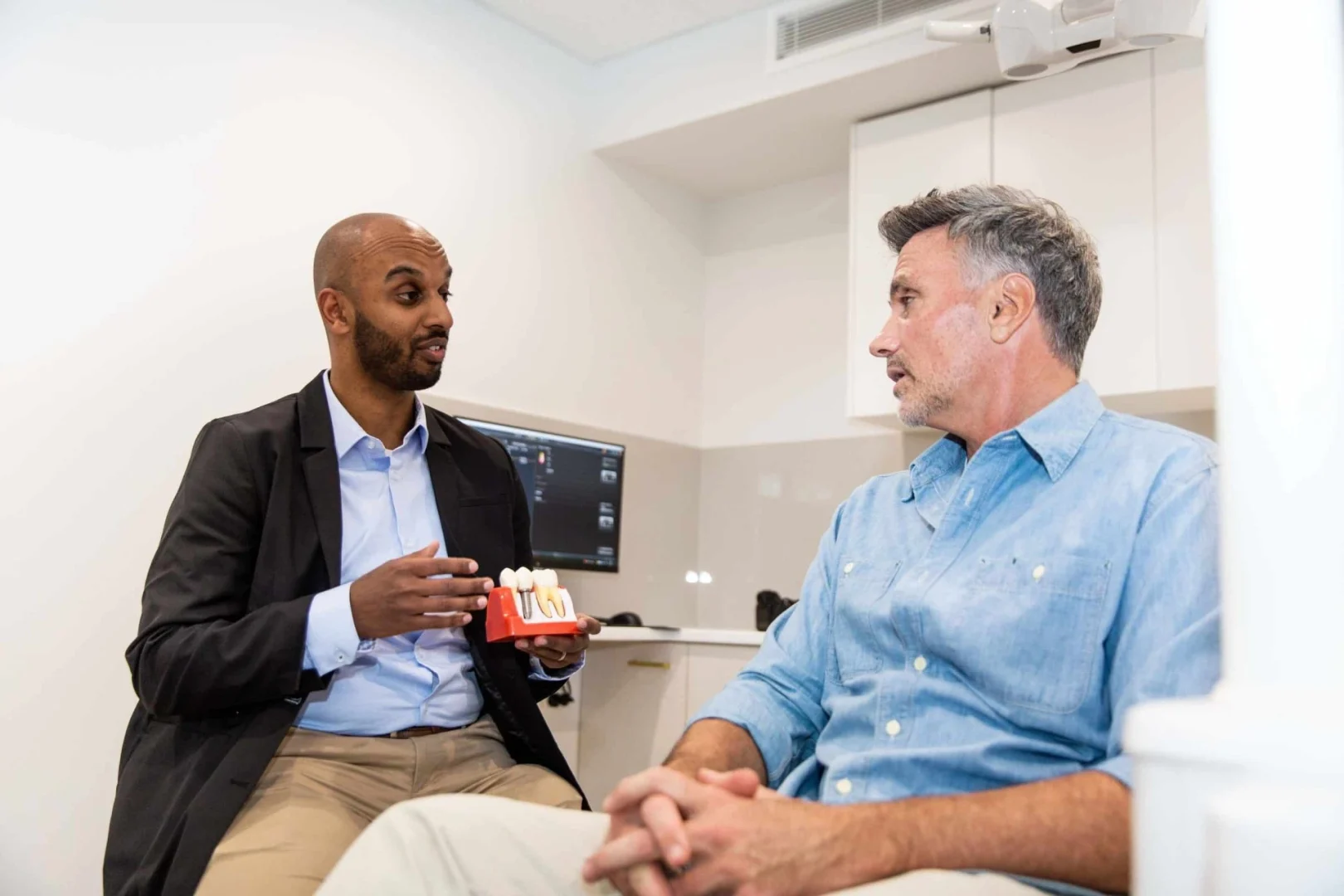
Our comprehensive consultation process includes thorough medical history review and discussion of all available options. For patients requiring sedation, we offer in-house general anaesthesia to ensure comfortable treatment experiences.
Ready to explore your options for hypoallergenic tooth replacement? Contact Dental Couture today to schedule your consultation. Call us on 13 COUTURE or complete our online enquiry form to discuss how modern biocompatible solutions can restore your smile safely and comfortably.