A vintage car enthusiast knows that frequent polishing can create stunning shine, but excessive buffing eventually damages the paint. Professional teeth whitening follows remarkably similar principles, where timing and restraint preserve both beauty and structural integrity. Understanding how often to whiten teeth safely requires balancing aesthetic desires with long-term dental health.
The question isn’t simply about achieving the brightest possible smile, but about maintaining that brightness sustainably over decades. According to Australian dental association guidelines, professional whitening performed at appropriate intervals poses minimal risk to tooth structure, whilst excessive frequency can lead to sensitivity and enamel weakening.
Modern whitening technology has transformed both the safety and effectiveness of professional treatments, yet the fundamental principle remains unchanged: more isn’t always better. The key lies in understanding your individual needs and the biological limitations that govern how often to whiten teeth without compromising oral health.
The Science of Enamel and Whitening Chemistry
Tooth enamel represents one of the hardest substances in the human body, yet it’s not immune to the chemical processes involved in professional whitening. Understanding these interactions helps explain why timing between treatments matters significantly.
Professional whitening agents work by breaking down stain molecules trapped within the microscopic pores of tooth enamel. Hydrogen peroxide or carbamide peroxide penetrate these pores, oxidising discoloured compounds and rendering them colourless. This process temporarily opens the enamel structure.
The remineralisation process that follows whitening is crucial for maintaining tooth strength. Saliva provides minerals that gradually fill opened pores, restoring enamel density over several days to weeks. Interrupting this natural recovery process by whitening too frequently can prevent complete remineralisation.
Individual enamel thickness varies significantly between patients, influencing both whitening effectiveness and safety considerations. The pH changes that occur during whitening temporarily soften enamel surfaces, making them more susceptible to wear and sensitivity.
Professional vs Over-the-Counter Frequency Guidelines
Professional whitening treatments use significantly higher concentrations of active ingredients compared to over-the-counter products, making frequency considerations more critical for safety and effectiveness.
Most dental professionals recommend professional whitening treatments no more frequently than once every 6-12 months. This timeframe allows complete enamel remineralisation whilst maintaining optimal aesthetic results for most patients.
Over-the-counter whitening products, with their lower concentrations, may be used more frequently but still require moderation. Daily use of whitening toothpastes is generally considered safe, whilst whitening strips should be limited to manufacturer recommendations.
The cumulative effect of combining professional treatments with at-home products requires careful consideration. Patients who regularly use whitening toothpastes may need to space professional treatments further apart to avoid overexposure.
Custom whitening trays provided by dental professionals offer flexibility of at-home use with professional-strength products. These systems typically involve initial intensive treatment followed by periodic maintenance sessions.
Individual Factors That Influence Whitening Frequency
Age significantly impacts how often to whiten teeth safely, as enamel naturally thins with time whilst dentin underneath becomes more prominent. Younger patients often respond more dramatically to whitening but may also experience more sensitivity.
Lifestyle factors play crucial roles in determining optimal whitening frequency. Patients who regularly consume staining substances like coffee, red wine, or tobacco products may notice faster colour regression. However, addressing these habits often proves more effective than increasing whitening frequency.
Existing dental work influences whitening considerations significantly. Crowns, veneers, and fillings don’t respond to whitening agents, potentially creating colour mismatches if natural teeth are whitened too frequently.
Medical conditions affecting saliva production or enamel formation may require modified whitening protocols. Patients with dry mouth conditions or acid reflux often need longer intervals between treatments.
Genetic factors influence both natural tooth colour and whitening response. Some individuals achieve excellent results with minimal treatment, whilst others may require more intensive protocols.
Recognising Signs of Overexposure
Sensitivity represents the most common indicator that whitening frequency should be reduced. Mild sensitivity immediately after treatment is normal, but persistent discomfort suggests the need for longer intervals between sessions.
Translucent tooth edges can indicate excessive enamel thinning from overuse of whitening products. This aesthetic concern often accompanies structural weakening that may require professional intervention.
Paradoxical darkening sometimes occurs when teeth are whitened too frequently, as overexposed enamel becomes more porous and prone to rapid restaining. This effect often requires cessation of whitening treatments.
Gum irritation or white spots on soft tissues suggest that whitening products are affecting areas beyond teeth. These signs indicate the need for better application techniques or reduced frequency.
Optimising Long-Term Whitening Success
Maintenance protocols help extend the results of professional whitening treatments, potentially reducing the frequency needed for touch-up sessions. Good oral hygiene, regular professional cleanings, and strategic use of whitening toothpastes can maintain brightness between treatments.
Dietary modifications can significantly impact how often to whiten teeth by reducing exposure to staining agents. Using straws for coloured beverages, rinsing with water after consuming staining foods, and timing consumption strategically can preserve whitening results longer.
Professional monitoring ensures that whitening frequency remains safe and effective over time. Regular dental visits allow assessment of enamel health, sensitivity levels, and aesthetic outcomes to guide future treatment decisions.
Custom maintenance schedules developed with dental professionals consider individual risk factors, aesthetic goals, and lifestyle habits. These personalised approaches often prove more effective than standardised protocols for maintaining optimal results safely.
Touch-up treatments using lower concentrations or shorter exposure times can help maintain results without the full intensity of complete whitening sessions. These modified approaches allow more frequent maintenance whilst minimising cumulative exposure risks.
Technology and Safety Advances
Modern whitening systems incorporate safety features that help minimise risks associated with frequent treatments. Desensitising agents, controlled-release formulations, and improved application techniques reduce the likelihood of adverse effects from professional whitening.
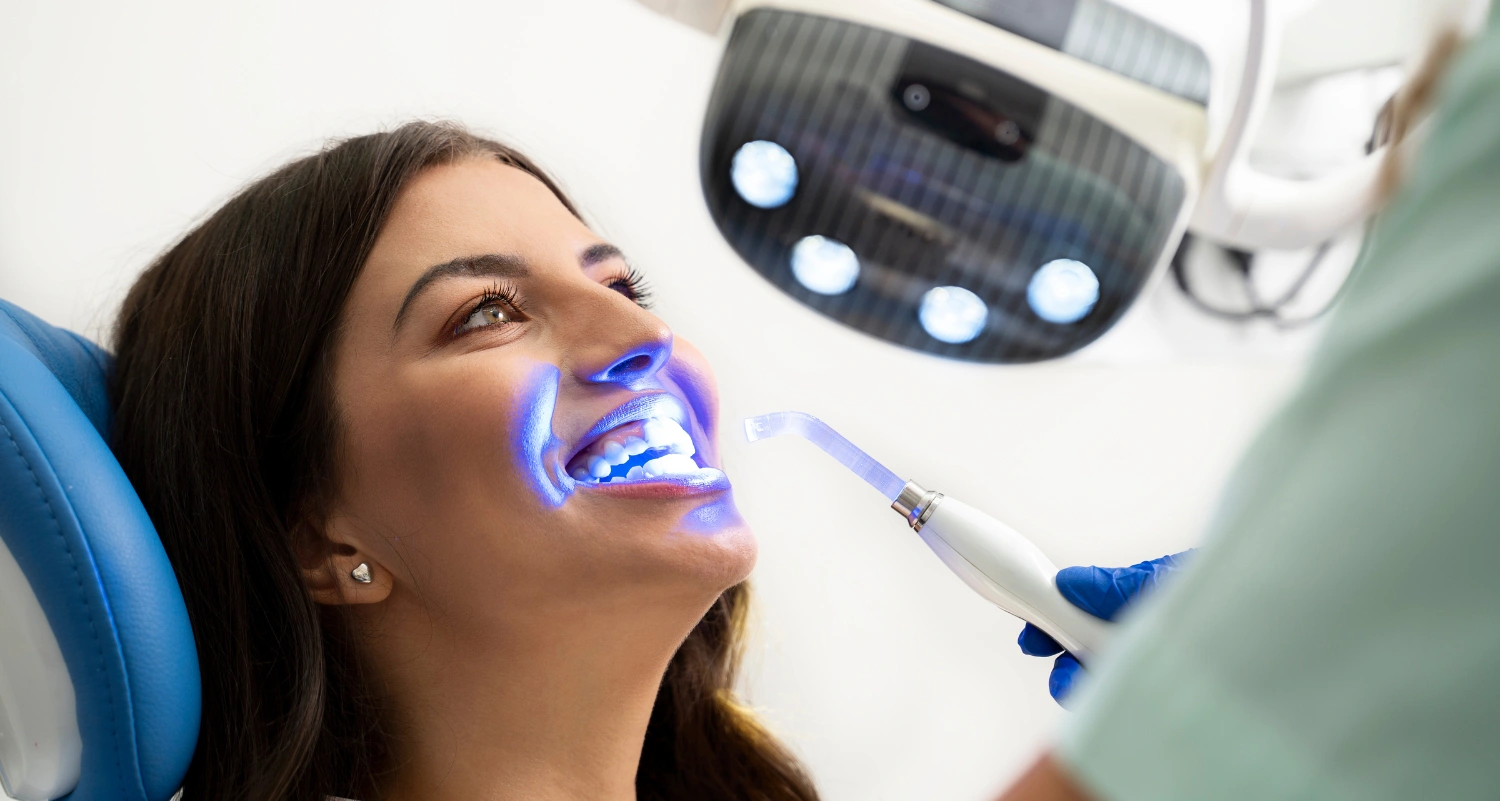
Light-activated systems can achieve comparable results with reduced exposure times, potentially allowing more frequent treatments in appropriate cases. However, these advances don’t eliminate the need for careful consideration of treatment frequency based on individual factors.
Enamel protection protocols developed alongside whitening treatments help maintain tooth structure integrity. These approaches may include fluoride applications, remineralising agents, or modified treatment sequences that support enamel health.
Digital shade matching technology allows precise monitoring of whitening progress and helps determine optimal stopping points for treatments. This objective assessment helps prevent overtreatment whilst ensuring satisfactory aesthetic outcomes.
Your Path to Sustainable Brightness
Understanding how often to whiten teeth safely requires balancing aesthetic goals with long-term oral health considerations. Professional guidance ensures that your whitening schedule supports both immediate satisfaction and decades of healthy, beautiful smiles.
At Dental Couture in Sunbury, we develop personalised whitening protocols that consider your individual needs, lifestyle factors, and aesthetic goals. Our comprehensive approach ensures that your whitening treatments achieve optimal results whilst maintaining the highest safety standards.
Whether you’re beginning your first whitening treatment or seeking to optimise an existing regimen, our team provides expert guidance on frequency, techniques, and maintenance strategies. We combine advanced whitening technology with conservative protocols that protect your long-term dental health.
Ready to discover your optimal whitening schedule? Contact Dental Couture today to schedule your consultation. Call us on 13 COUTURE or complete our online enquiry form to discuss how often to whiten teeth safely whilst achieving the brilliant smile you desire.