When you lose a tooth, the visible gap in your smile represents only part of the problem. Beneath the surface, a more concerning process begins: progressive jawbone deterioration that can affect your facial structure, remaining teeth, and future treatment options. At Dental Couture in Sunbury, we regularly discuss how jawbone preservation implants offer the most effective solution for maintaining bone health after tooth loss.
Understanding the relationship between tooth roots, jawbone health, and dental implants can help you make informed decisions about addressing tooth loss in ways that protect your long-term oral health and facial structure.
Understanding Jawbone Loss After Tooth Extraction
Your jawbone requires constant stimulation to maintain its density and volume. Natural tooth roots provide this stimulation through the forces generated during chewing, which transmit through the roots into the surrounding bone tissue.
When a tooth is extracted, the jawbone loses its primary source of stimulation in that area. Without this functional stimulus, the bone begins a process called resorption, where the body gradually reabsorbs the bone tissue that previously supported the tooth. According to dental research, bone loss occurs most rapidly during the first year after extraction, with approximately 25% of bone width lost within the first 12 months.
This progressive deterioration continues over time, leading to changes in facial appearance particularly around the mouth and lower face, shifting of adjacent teeth into the empty space, and reduced bone volume that complicates future dental treatments. The impact extends beyond aesthetics, affecting both oral function and the feasibility of future tooth replacement options. Decreased stability for dentures or bridges becomes increasingly problematic as bone loss progresses.
How Jawbone Preservation Implants Function
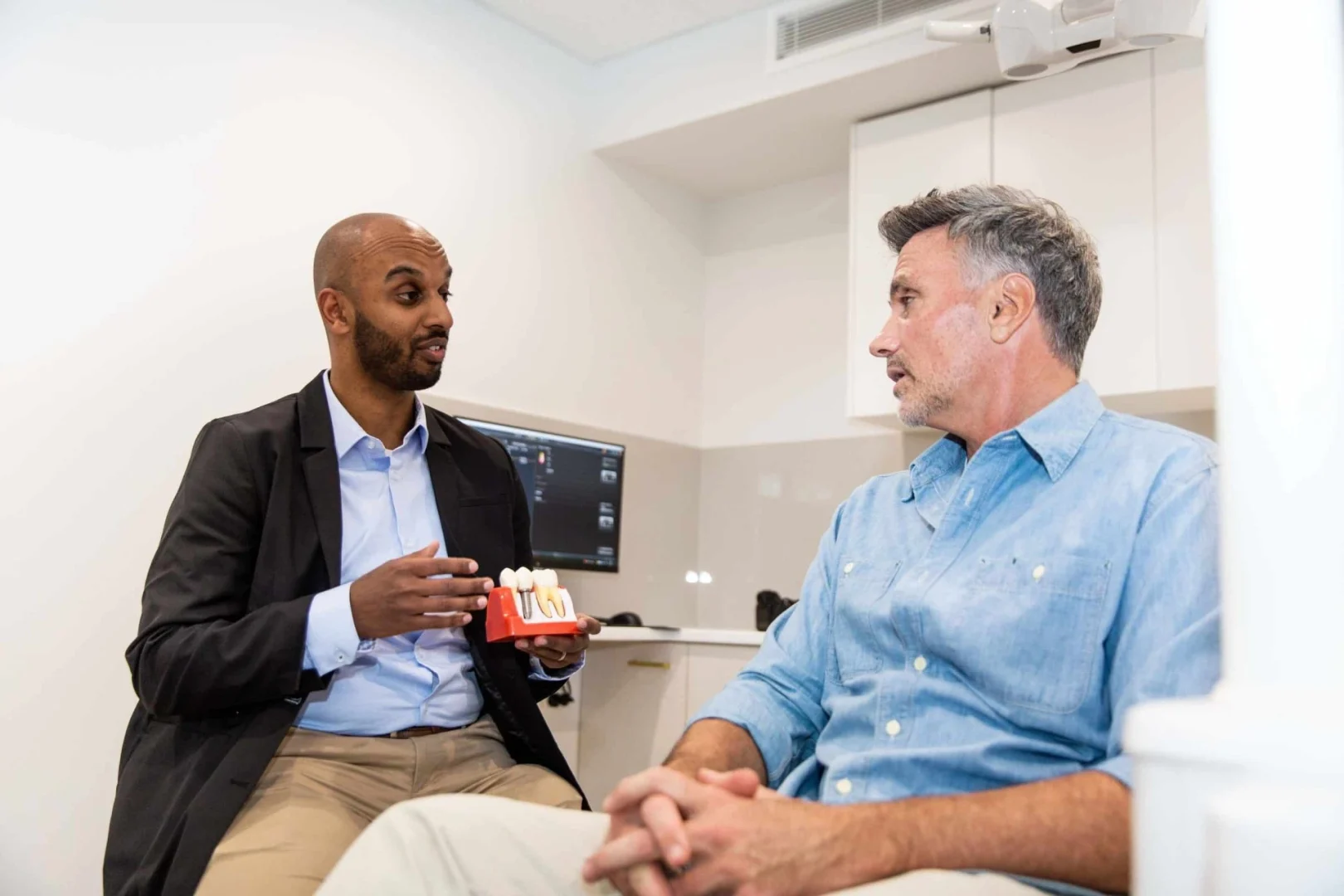
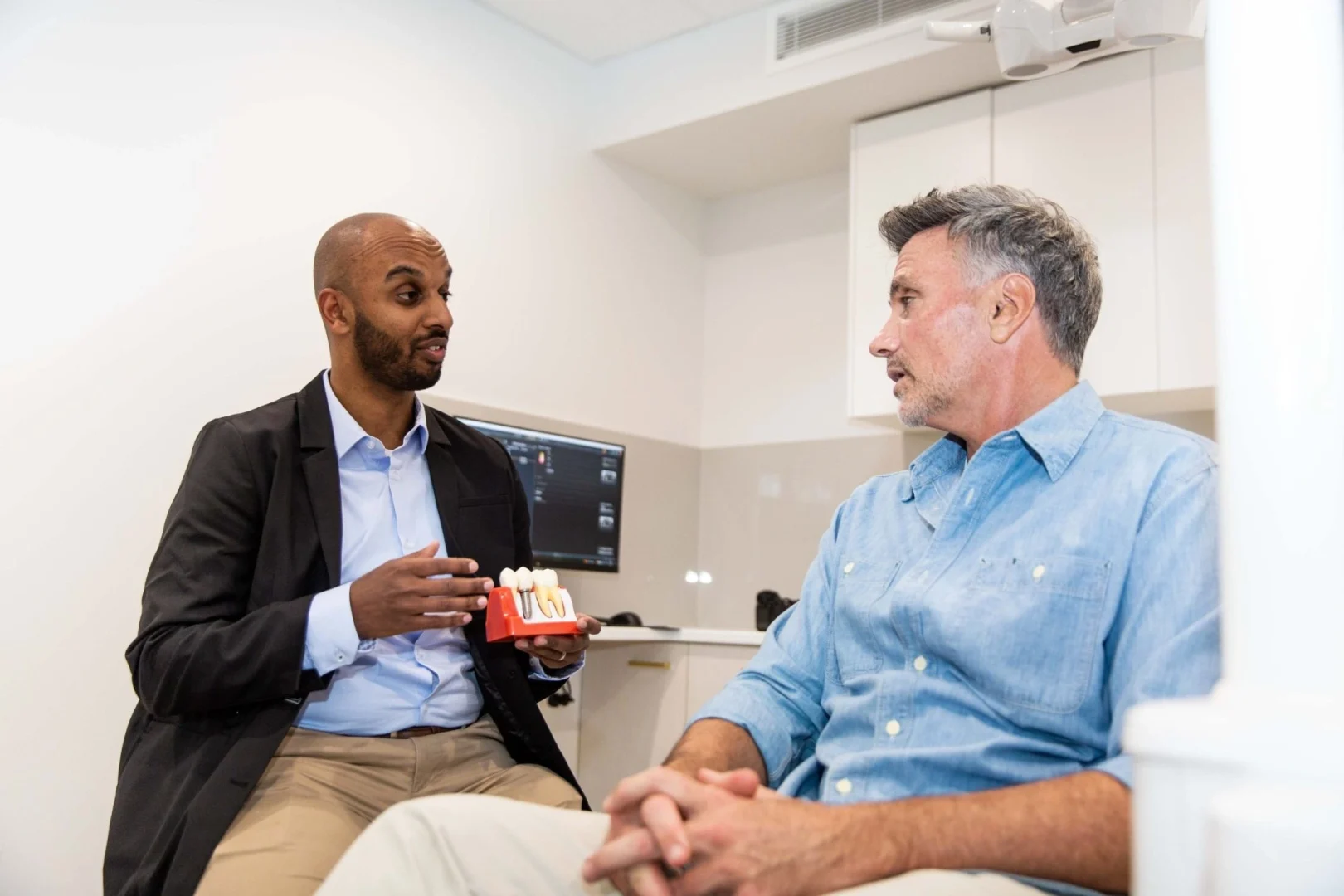
Jawbone preservation implants work by replacing not just the visible tooth crown but also the functional root structure. This comprehensive replacement addresses both the immediate gap in your smile and the underlying bone health concerns.
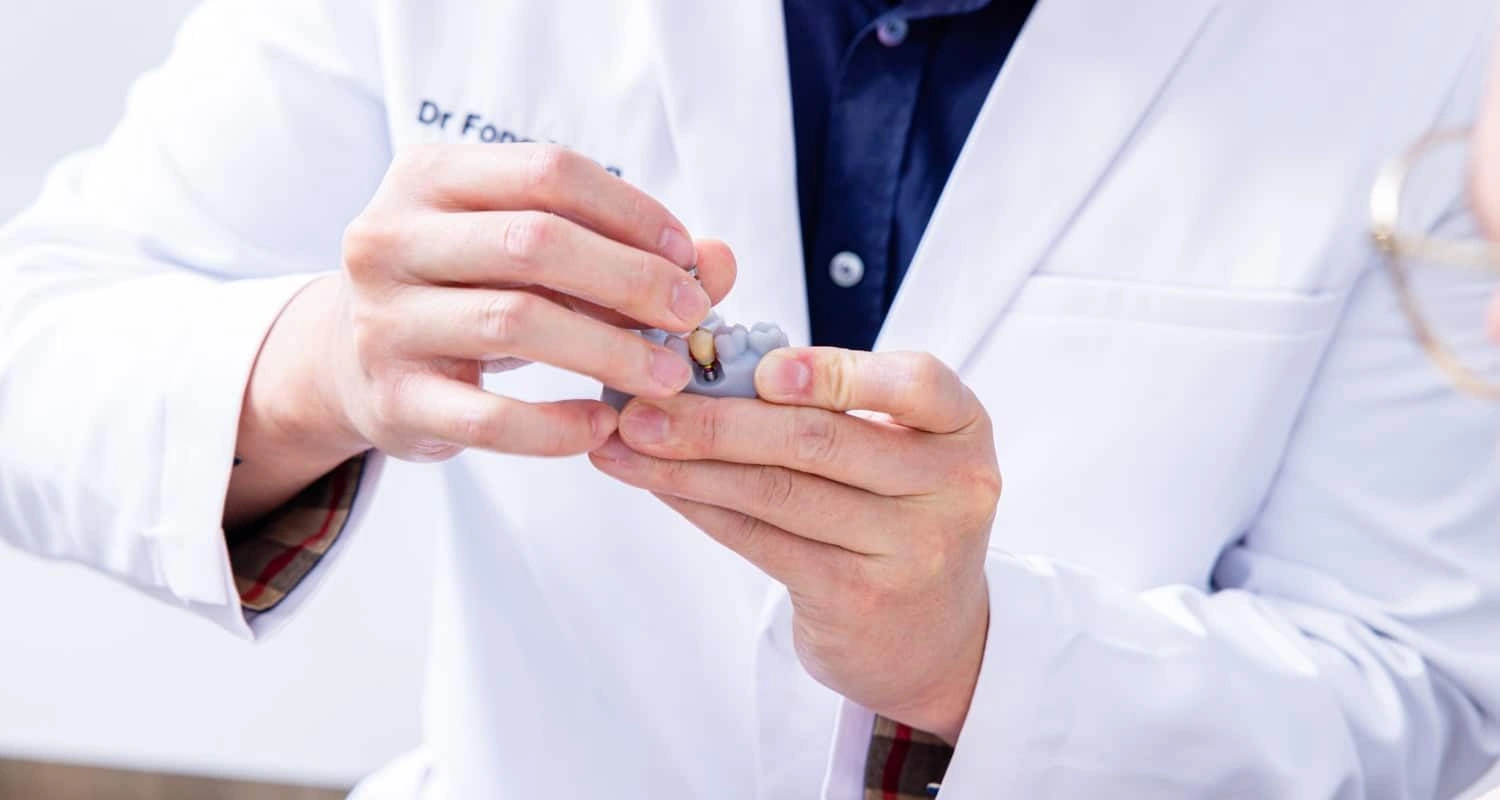
A dental implant consists of a titanium post surgically placed into the jawbone, effectively serving as an artificial tooth root. Once integrated with the bone, this post transfers chewing forces directly into the jawbone, stimulates bone tissue similar to natural tooth roots, maintains bone density and volume over time, and provides stable support for replacement teeth.
The key to successful jawbone preservation implants lies in osseointegration, where bone cells grow around and bond with the titanium implant surface. This biological integration creates a stable foundation that functions remarkably similar to natural tooth roots. During the healing period, typically 3-6 months, the bone tissue gradually fuses with the implant surface, creating a strong structural connection that can withstand normal chewing forces.
Scientific Evidence Supporting Bone Preservation
Research consistently demonstrates the effectiveness of jawbone preservation implants in maintaining bone health compared to other tooth replacement options or leaving gaps untreated. Studies show that areas with dental implants maintain bone volume at near-normal levels, whilst areas with bridges or dentures experience continued progressive bone loss.
Long-term data reveals that implant sites maintain approximately 95% of original bone volume over 10 years, whilst bridge abutment sites lose approximately 20-30% of bone volume over the same period. Denture-supporting areas experience 40-60% bone volume reduction over 10-15 years, demonstrating the dramatic difference in outcomes.
The superior bone preservation provided by implants makes them the gold standard for long-term oral health maintenance following tooth loss. Beyond bone preservation, jawbone preservation implants offer advantages including no impact on adjacent healthy teeth, stable permanent solutions without daily removal requirements, natural function and appearance, and prevention of facial structure changes associated with bone loss.
Timing Considerations for Optimal Bone Preservation
The timing of implant placement significantly influences bone preservation outcomes. In suitable cases, jawbone preservation implants can be placed immediately following tooth extraction, which minimises overall bone loss by providing immediate stimulation and reduces total treatment time. However, immediate placement requires adequate bone quality, absence of infection, and favourable extraction site conditions.
For cases where immediate placement isn’t suitable, early implant placement typically occurs 4-8 weeks after extraction, allowing initial soft tissue healing and assessment of bone quality. Some situations require waiting 3-6 months after extraction before placing jawbone preservation implants. Whilst this delay allows complete healing, it also permits more bone loss to occur, potentially requiring additional bone grafting procedures.
When significant bone loss has already occurred, bone grafting may be necessary before or during implant placement. This procedure adds bone material to deficient areas, creating adequate volume and density for successful implant integration.
Assessment and Treatment Planning at Dental Couture
Successful jawbone preservation implants require thorough assessment and precise treatment planning. At Dental Couture, we utilise advanced diagnostic technology to evaluate your specific bone conditions and determine optimal implant strategies.
Our evaluation includes 3D cone beam CT scanning that provides detailed images of bone density and volume, digital treatment planning allowing precise virtual implant placement, bone quality assessment to determine whether immediate placement is feasible, and health history review identifying factors that may affect healing.
We recognise that every patient’s bone preservation needs differ based on time elapsed since tooth loss, current bone quality and quantity, overall health status, aesthetic requirements, and budget considerations. Our treatment plans prioritise long-term bone health whilst addressing your immediate concerns about tooth replacement.
For patients missing most or all teeth, the All-On-4 Plus® technique represents an advanced application of jawbone preservation implants. This approach uses strategically angled implants to maximise use of available bone without extensive grafting whilst providing immediate stability for full-arch restorations.
After successful integration of jawbone preservation implants, proper maintenance ensures continued bone health through regular professional cleanings, daily oral hygiene around implants, and monitoring of bone levels through periodic imaging.
Jawbone preservation implants represent the most effective approach to maintaining bone health after tooth loss. By replacing both the visible crown and functional root, implants protect your jawbone, facial structure, and future treatment options whilst providing natural-looking, permanent tooth replacement.
Ready to learn how jawbone preservation implants can protect your oral health after tooth loss? Contact Dental Couture today to schedule your comprehensive assessment. Our experienced team will evaluate your bone health and explain how modern implant solutions can preserve your jawbone whilst restoring your smile. Call us or complete our online enquiry form to book your consultation.