When you’ve invested in dental veneers to create your ideal smile, the prospect of damage to even a single veneer can feel concerning. At Dental Couture in Sunbury, we regularly receive enquiries about whether single veneer replacement is possible when individual veneers chip, crack, or sustain other damage.
Understanding the options, challenges, and considerations involved in replacing individual veneers can help you make informed decisions about maintaining your smile investment and knowing what to expect if damage occurs.
Understanding Single Veneer Replacement Feasibility
Single veneer replacement is indeed possible and represents a common procedure when individual veneers sustain damage whilst surrounding veneers remain intact. The technical feasibility depends on several factors including the age of the existing veneers, the availability of matching materials, and the condition of surrounding teeth.
Modern dental laboratories maintain detailed records of veneer specifications including shade, translucency, and characterisation details. When veneers were recently placed, laboratories may still have the original formulation information, making single veneer replacement more straightforward. This documentation helps ensure the replacement veneer matches the existing ones as closely as possible.
The condition of adjacent veneers significantly influences single veneer replacement success. If surrounding veneers remain in good condition with consistent colour and appearance, replacing just the damaged veneer proves more practical. However, if adjacent veneers show signs of aging or wear, matching a fresh replacement to aged veneers presents greater challenges.
Colour Matching Challenges and Solutions
The most significant challenge in single veneer replacement involves achieving perfect colour matching with existing veneers. Even when using the same shade designation and materials as the original veneers, subtle differences can occur due to variations in fabrication techniques, material batches, or natural aging of existing veneers.
Porcelain veneers undergo minimal colour change over time compared to natural teeth, but subtle shifts can occur over years of wear. Surface deposits can accumulate around margins or in microscopic surface irregularities, meaning a brand new veneer may appear slightly different from veneers that have been in place for several years.
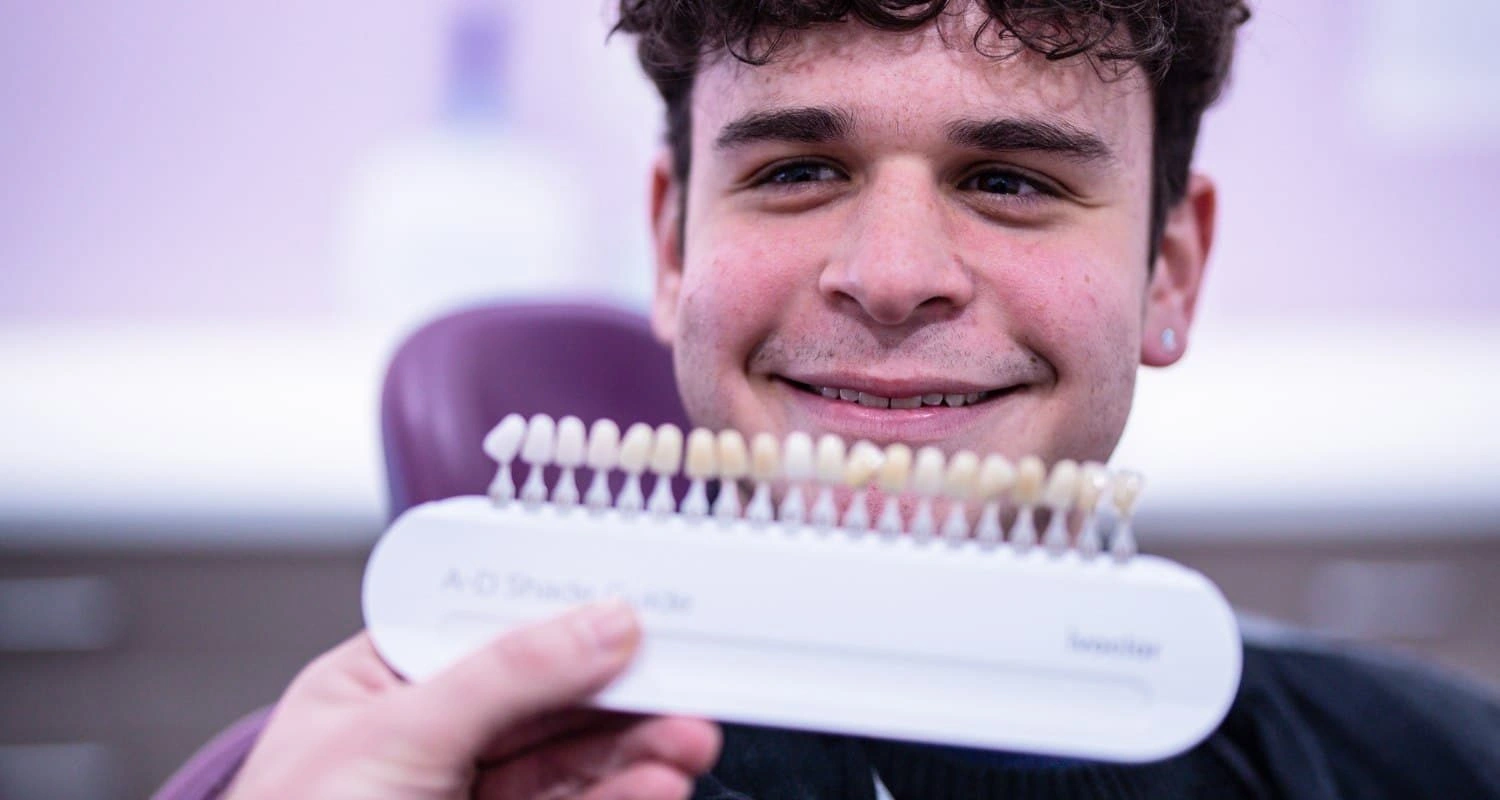
Professional cleaning of existing veneers before single veneer replacement helps minimise colour discrepancies. Your dentist photographs the existing veneers under standardised lighting conditions to provide the laboratory with precise colour references. Advanced ceramic materials and digital shade matching technology have significantly improved single veneer replacement outcomes in recent years.
When Single Veneer Replacement Works Best
Certain scenarios favour successful single veneer replacement with minimal aesthetic compromise. Recent veneer placement represents the most favourable situation, typically within 1-3 years of placement, when matching materials and specifications remain readily available. The existing veneers haven’t undergone significant aging or surface changes, making colour matching more predictable.
Damage to lateral incisors or teeth positioned away from the central smile line often allows successful single veneer replacement even when perfect colour matching proves challenging. These teeth receive less visual focus than central incisors, making minor shade variations less noticeable in normal social interactions.
Cases where the damaged veneer affects just one tooth in a multi-tooth veneer case also tend to yield successful single veneer replacement results. When multiple adjacent veneers remain intact, they provide consistent colour references that help achieve better matching outcomes.
Alternatives and the Replacement Process
Whilst single veneer replacement remains possible in most situations, certain circumstances may favour alternative approaches. Replacing multiple veneers simultaneously ensures perfect colour matching across adjacent teeth. When a damaged veneer has been in place for many years, replacing it along with one or more adjacent veneers guarantees consistent appearance across the smile.
Minor damage sometimes allows for repair rather than complete single veneer replacement. Small chips along the edge of a veneer can occasionally be smoothed and polished, or repaired with composite bonding material. Whilst these repairs may not prove as durable as replacement, they offer temporary or budget-conscious solutions.
The single veneer replacement process follows similar protocols to initial veneer placement but with additional attention to matching existing restorations. The process begins with careful removal of the damaged veneer whilst preserving the underlying tooth structure. Detailed shade mapping of adjacent veneers provides the laboratory with comprehensive colour information.
Temporary coverage protects the prepared tooth between appointments whilst the laboratory fabricates the replacement veneer. The try-in appointment allows evaluation of the new veneer’s fit, shape, and colour before final bonding. This critical step provides opportunity for adjustments or remake if the colour matching doesn’t meet expectations.
Prevention and Long-Term Care
Whilst single veneer replacement provides solutions when damage occurs, preventing veneer damage in the first place proves far more desirable. Understanding how to protect your veneers helps maximise their lifespan and minimise the need for replacement.
Avoiding excessive force on veneers prevents chips and fractures. Hard foods like ice, hard lollies, and unpopped popcorn kernels pose particular risks. Using teeth as tools to open packages or bite nails can also damage veneers. Being mindful of these risk factors helps protect your investment.
Night guards protect veneers from damage caused by teeth grinding or clenching. Many people grind their teeth during sleep without awareness, placing significant force on veneers. A custom night guard distributes these forces evenly and prevents concentrated stress that can fracture veneers.
Regular dental examinations allow early detection of potential problems before complete failure occurs. Small cracks or debonding at veneer margins can sometimes be addressed before progressing to situations requiring single veneer replacement. Professional cleanings also help maintain veneer appearance and identify any areas of concern.
Assessment at Dental Couture
When veneer damage occurs, prompt assessment helps determine the most appropriate course of action. At Dental Couture, we evaluate damaged veneers thoroughly to recommend whether single veneer replacement, multiple veneer replacement, or alternative solutions best serve your needs.
Our assessment considers the age and condition of existing veneers, the location and extent of damage, your aesthetic expectations, and the likelihood of achieving acceptable colour matching. We provide honest recommendations about whether single veneer replacement will meet your aesthetic standards or whether alternative approaches might yield better results.
We maintain detailed records of all veneer cases including shade specifications, material selections, and laboratory information. This documentation facilitates single veneer replacement by providing the information necessary for accurate matching.
Ready to discuss options for a damaged veneer? Contact Dental Couture today to schedule your assessment. Our experienced team will evaluate your situation and explain the most appropriate solutions for restoring your smile. Call us or complete our online enquiry form to book your consultation.