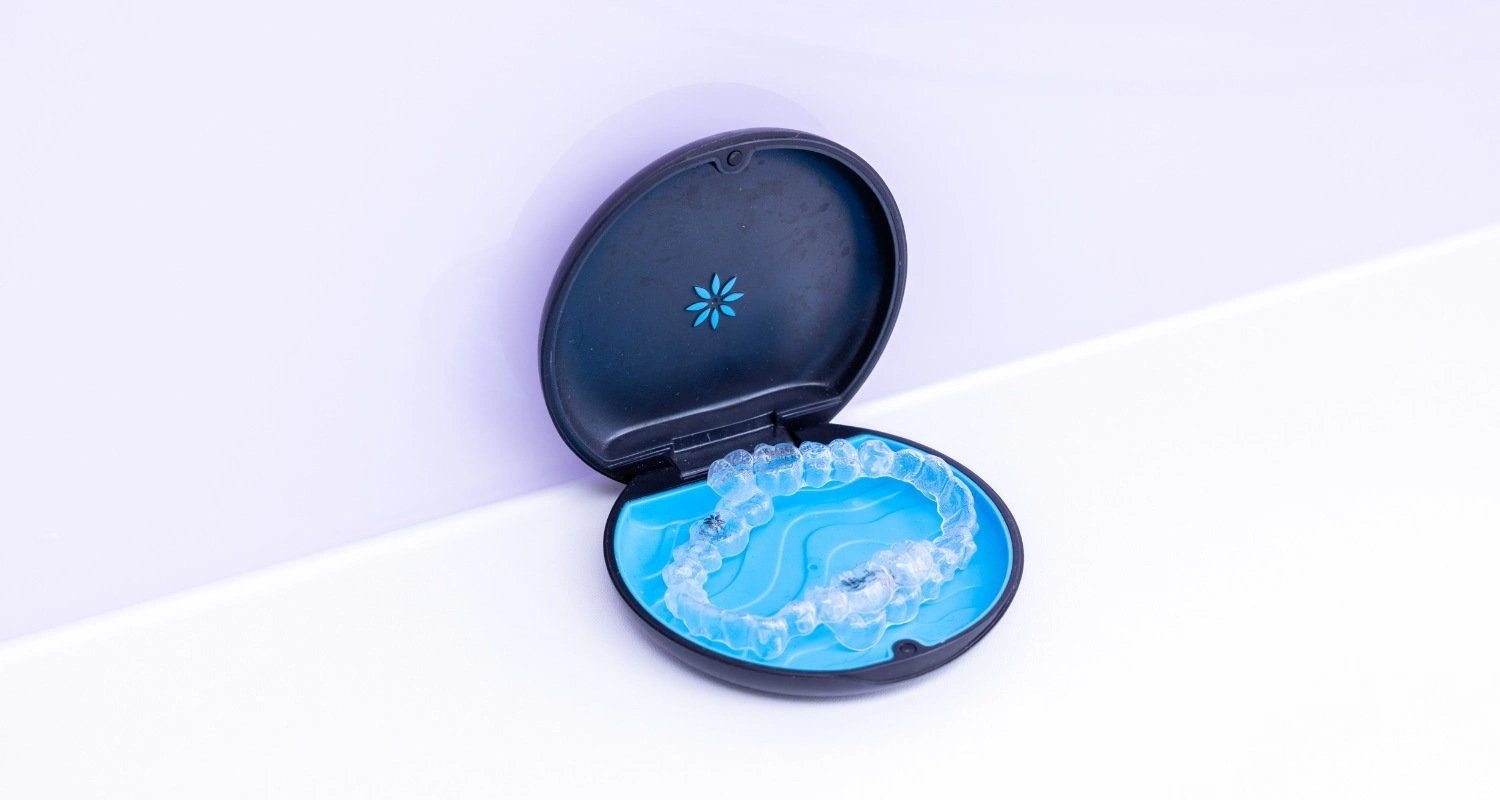
When considering orthodontic treatment, many patients wonder whether Invisalign can address more than just crooked teeth. At Dental Couture in Sunbury, we frequently receive enquiries about Invisalign bite correction for overbites and underbites. The answer might surprise you: modern Invisalign technology has advanced significantly and can effectively treat many bite irregularities.
Understanding how Invisalign bite correction works and whether it’s suitable for your specific situation can help you make an informed decision about achieving both a straighter smile and better bite function.
Understanding Overbites and Underbites: The Basics
Before exploring Invisalign bite correction options, it’s essential to understand what these conditions actually involve. Bite irregularities affect both the appearance of your smile and the function of your teeth, potentially leading to long-term oral health issues if left untreated.
Overbites occur when the upper front teeth significantly overlap the lower front teeth. According to the Australian Society of Orthodontists, mild overbites are normal, but when the overlap exceeds 2-4mm, treatment may be recommended.
Underbites happen when the lower teeth protrude beyond the upper teeth, creating a “bulldog” appearance. This condition is less common than overbites but can significantly impact both function and aesthetics.
Both conditions can result from:
- Genetic factors affecting jaw development
- Childhood habits like thumb sucking or prolonged dummy use
- Missing or extra teeth affecting bite alignment
- Jaw injuries or developmental issues
These bite irregularities can cause uneven tooth wear, jaw pain, difficulty chewing, and increased risk of tooth damage over time.
How Invisalign Bite Correction Technology Works
Modern Invisalign bite correction has evolved far beyond simple tooth straightening. The system now incorporates sophisticated technologies specifically designed to address complex bite issues through carefully planned tooth movements.
SmartTrack Material: The proprietary thermoplastic material used in current Invisalign aligners provides more predictable tooth movement and better control over complex corrections.
Precision Cuts and Attachments: Small, tooth-coloured attachments bonded to specific teeth create additional leverage points, enabling more precise control over tooth rotation and movement necessary for bite correction.
Elastics Integration: For more complex cases, Invisalign bite correction can incorporate rubber bands (elastics) that work similarly to traditional braces, providing additional force to guide jaw alignment.
Advanced Treatment Planning: 3D imaging technology allows orthodontists to plan every stage of treatment digitally, predicting how teeth will move and ensuring optimal bite correction outcomes.
The ClinCheck software shows patients exactly how their bite will change throughout treatment, providing realistic expectations about treatment duration and outcomes.
Effectiveness of Invisalign for Different Bite Conditions
The effectiveness of Invisalign bite correction varies depending on the severity and type of bite irregularity. Understanding these differences helps set appropriate expectations for treatment outcomes.
Mild to Moderate Overbites: Invisalign bite correction proves highly effective for overbites where the upper teeth overlap the lower teeth by 2-6mm. Treatment typically involves:
- Moving upper teeth backwards
- Bringing lower teeth forwards
- Adjusting the angle of tooth eruption
- Coordinating jaw position changes
Success rates for mild to moderate overbite correction with Invisalign are comparable to traditional braces, with treatment times typically ranging from 12-24 months.
Underbite Correction Considerations: Underbites present more complex challenges for Invisalign bite correction. Success depends largely on whether the underbite results from tooth positioning or skeletal jaw differences:
- Dental underbites (caused by tooth positioning) respond well to Invisalign treatment
- Skeletal underbites (caused by jaw size discrepancies) may require additional interventions or alternative treatments
Factors Affecting Treatment Success:
- Age of the patient (younger patients often respond better)
- Severity of the bite discrepancy
- Patient compliance with wearing aligners 20-22 hours daily
- Bone density and tooth root length
- Presence of other dental issues requiring concurrent treatment
Treatment Process: What to Expect During Invisalign Bite Correction
The Invisalign bite correction process involves several carefully planned stages designed to gradually achieve optimal bite alignment. Understanding this process helps patients prepare for their treatment journey.
Initial Assessment and Treatment Planning: Your treatment begins with comprehensive examination including:
- Digital impressions using iTero scanning technology
- Photographs documenting current bite position
- X-rays to assess tooth root positions and jaw structure
- Bite analysis to determine specific correction requirements
Custom Treatment Design: Using advanced 3D technology, we create a detailed treatment plan showing:
- Precise tooth movements required for bite correction
- Attachment placement for optimal force application
- Timeline for achieving bite correction milestones
- Integration of elastics if required for complex cases
Active Treatment Phase: During Invisalign bite correction treatment:
- Aligners are changed every 1-2 weeks as directed
- Regular check-ups monitor progress and make adjustments
- Attachments may be added or modified as treatment progresses
- Elastics usage is monitored and adjusted for optimal results
Monitoring and Adjustments: Advanced tracking technology allows us to monitor how well your teeth are responding to treatment and make refinements as needed to ensure successful bite correction.
Comparing Invisalign to Traditional Orthodontic Options
When considering Invisalign bite correction, many patients want to understand how it compares to traditional braces for treating bite irregularities. Each approach offers distinct advantages depending on your specific situation.
Invisalign Bite Correction Advantages:
- Nearly invisible appearance during treatment
- Removable for eating, drinking, and special occasions
- Easier maintenance of oral hygiene
- No dietary restrictions
- Generally more comfortable with fewer emergency appointments
- Predictable treatment timeline with digital planning
Traditional Braces Considerations:
- May be more effective for severe skeletal discrepancies
- Continuous force application (can’t be removed by patient)
- Often more cost-effective for complex cases
- Proven track record for severe bite corrections
Factors Influencing Treatment Choice: Your lifestyle, aesthetic preferences, and the complexity of your bite correction requirements all influence which treatment approach will be most suitable. During your consultation, we assess these factors to recommend the most appropriate option for achieving your treatment goals.
Assessment and Treatment Planning at Dental Couture
At Dental Couture, our approach to Invisalign bite correction begins with comprehensive assessment to determine whether this treatment approach will effectively address your specific bite irregularities.
Our Evaluation Process:
- Detailed examination of your current bite relationship
- Digital imaging to assess jaw position and tooth alignment
- Discussion of your treatment goals and lifestyle considerations
- Analysis of factors that may affect treatment success
Personalised Treatment Approach: We understand that every patient’s bite correction requirements are unique. Our Melbourne-based treatment plans consider:
- The severity and type of your bite irregularity
- Your age and oral health status
- Lifestyle factors affecting treatment compliance
- Aesthetic goals and functional requirements
- Timeline considerations for achieving results
Ongoing Support Throughout Treatment: Successful Invisalign bite correction requires consistent monitoring and support. We provide regular check-ups in our Sunbury clinic to ensure your treatment progresses as planned and make any necessary adjustments to optimise your results.
Understanding that bite correction extends beyond aesthetics to include functional improvements, we focus on achieving results that support both a beautiful smile and optimal oral health. Proper bite alignment can reduce tooth wear, improve chewing efficiency, and decrease the risk of jaw problems over time.
Ready to discover whether Invisalign bite correction can address your overbite or underbite? Contact Dental Couture today to schedule your comprehensive consultation. Our experienced team will assess your individual situation and explain how modern orthodontic technology can help you achieve both the smile and bite function you desire. Call us or complete our online enquiry form to book your assessment.