Bone grafting. The very phrase conjures images of archaeological digs and ancient reconstructions, doesn’t it? Yet here we are in the 21st century, still in the business of building foundations, only now we’re doing it inside your mouth.
The word “graft” itself comes from the Greek “graphion,” meaning a stylus for writing. How fitting that we’re essentially rewriting the story of your jawbone, creating new chapters where bone once was but is no more. According to Australian dental statistics, 7.6% of adults now sport dental implants, with 108,399 procedures performed across the country in 2022 alone.
The upper jaw, or maxilla if we’re being anatomically precise, presents challenges that would have made even Roman engineers pause. Unlike its sturdy cousin below, the upper jaw sits in a precarious position, sharing real estate with those air-filled cavities we call sinuses. When teeth go missing, nature doesn’t simply leave a tidy gap. It’s far more dramatic than that.
The Curious Case of the Disappearing Bone
Picture this: you lose a tooth in your upper jaw. Within the first year, up to 25% of the surrounding bone tissue simply vanishes, as if it were never there at all. It’s a biological magic trick that would impress Houdini, except it’s happening inside your mouth and you probably didn’t buy a ticket for this particular show.
The ancient Egyptians, those masters of preservation, would have been horrified. They went to extraordinary lengths to maintain their dental work for the afterlife, using gold wire and even performing orthodontic procedures on mummies. Yet here we are, watching perfectly good bone disappear faster than a politician’s promise after election day.
This phenomenon occurs because bone is living tissue. When it’s no longer needed to support a tooth, your body, in its infinite wisdom, decides to recycle it elsewhere. It’s rather like demolishing a house because no one’s living in it anymore, except you might want to build there again someday.
The upper jaw faces an additional challenge: the maxillary sinuses. These air-filled spaces have a tendency to expand downward when teeth are lost, claiming squatter’s rights in the space your tooth roots once occupied. According to Australian research, bone grafting is required in over 50% of dental implant cases, with sinus lift procedures showing success rates of 90-98%.
When Architecture Meets Biology: The Science of Bone Grafting
The concept of bone grafting isn’t entirely modern. The ancient Greeks understood that bone could regenerate, though they probably never imagined we’d be placing bovine bone into human jaws. The word “osteogenesis” comes from the Greek “osteon” (bone) and “genesis” (creation), and that’s precisely what we’re orchestrating.
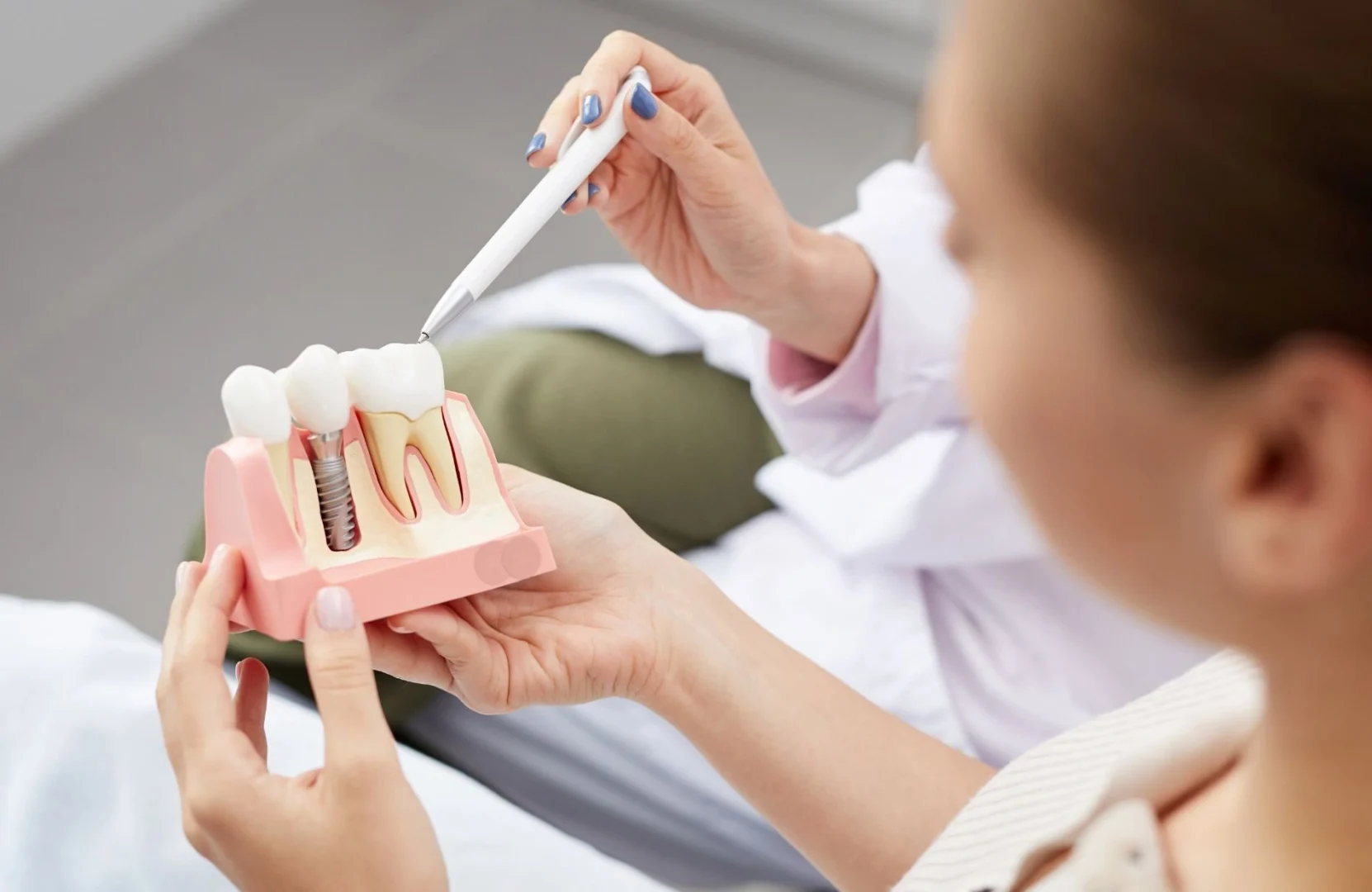
Modern bone grafting materials read like a United Nations assembly: autografts from your own body, allografts from human donors, xenografts from animals (usually cows), and synthetic materials designed by clever chemists who’ve figured out how to mimic what nature does naturally.
The process itself is rather elegant. The graft material serves as a scaffold, much like the wooden framework builders use when constructing an arch. Your body’s bone-forming cells migrate to this scaffold and begin laying down new bone matrix. Over several months, through “creeping substitution,” your body gradually replaces the graft material with your own living bone tissue.
It’s a biological renovation project that would make any home improvement enthusiast envious. Imagine if you could replace your old kitchen by simply providing a framework and letting your house grow a new one naturally.
The Sinus Lift: Elevating Expectations and Anatomy
When we talk about sinus lift dental implant procedures, we’re venturing into territory that would have fascinated Leonardo da Vinci. The maxillary sinus sometimes needs to be gently persuaded to move upward to make room for new bone growth.
There are two primary approaches. The lateral window technique involves creating a small access point in the side wall of the sinus, rather like installing a window to access the attic. The transcrestal approach works through the implant site itself, like reaching through a skylight.
The procedure involves carefully lifting the membrane that lines the sinus floor and placing bone graft material in the newly created space. Recovery is generally straightforward, though you’ll need to avoid activities that create sinus pressure.
The Timeline of Transformation
The journey from bone grafting to final restoration follows a timeline that would have tested ancient philosophers’ patience. The process typically unfolds over 8-12 months, during which your body performs its own urban renewal.
During the first few weeks, the graft material becomes stabilised. The next phase, spanning 3-6 months, is where the magic happens. Your osteoblasts begin populating the graft material like settlers moving into new territory.
Once adequate bone formation occurs, typically after 4-6 months, implant placement can proceed. This is followed by another 3-6 months of integration. It’s a timeline that would have made sense to our ancestors, who understood that good things take time.
Success Factors: The Human Element
The success of upper jaw bone grafting depends on factors familiar to ancient healers. Your overall health plays a crucial role, much as it did when medieval physicians spoke of the body’s “humours.”
Smoking represents one of the most significant threats to success. The chemicals in tobacco interfere with healing processes in ways that would have horrified the ancient Greeks. According to Australian health data, smokers have significantly lower success rates.
Your commitment to post-operative care matters enormously. It’s rather like tending a garden, success requires ongoing attention and care.
The Philosophy of Foundations
There’s something profoundly philosophical about bone grafting that goes beyond mere mechanics. We’re essentially asking: what makes a foundation worthy of building upon? The ancient Romans understood that any structure’s strength depends entirely on its foundation’s quality.
In your upper jaw’s context, we’re not just rebuilding bone, we’re restoring possibility. The ability to chew, speak clearly, and smile without self-consciousness, these are fundamental human experiences connecting us to our most basic needs.
Where Ancient Wisdom Meets Modern Mastery
Upper jaw bone grafting represents one of those remarkable intersections where ancient wisdom meets modern technology. The understanding that bone can regenerate has been with us for millennia, but our ability to guide that process has reached extraordinary sophistication.
With success rates consistently above 90%, bone grafting has transformed from experimental procedure to routine intervention. The key insights: bone loss after tooth extraction is natural as autumn leaves falling, but unlike those leaves, bone can be regrown. Modern grafting techniques can effectively restore bone volume, creating the foundation necessary for successful implant placement.
The journey may span the better part of a year, but consider what you’re gaining: a stable foundation that can support dental implants for decades.
Your Story Awaits a New Chapter
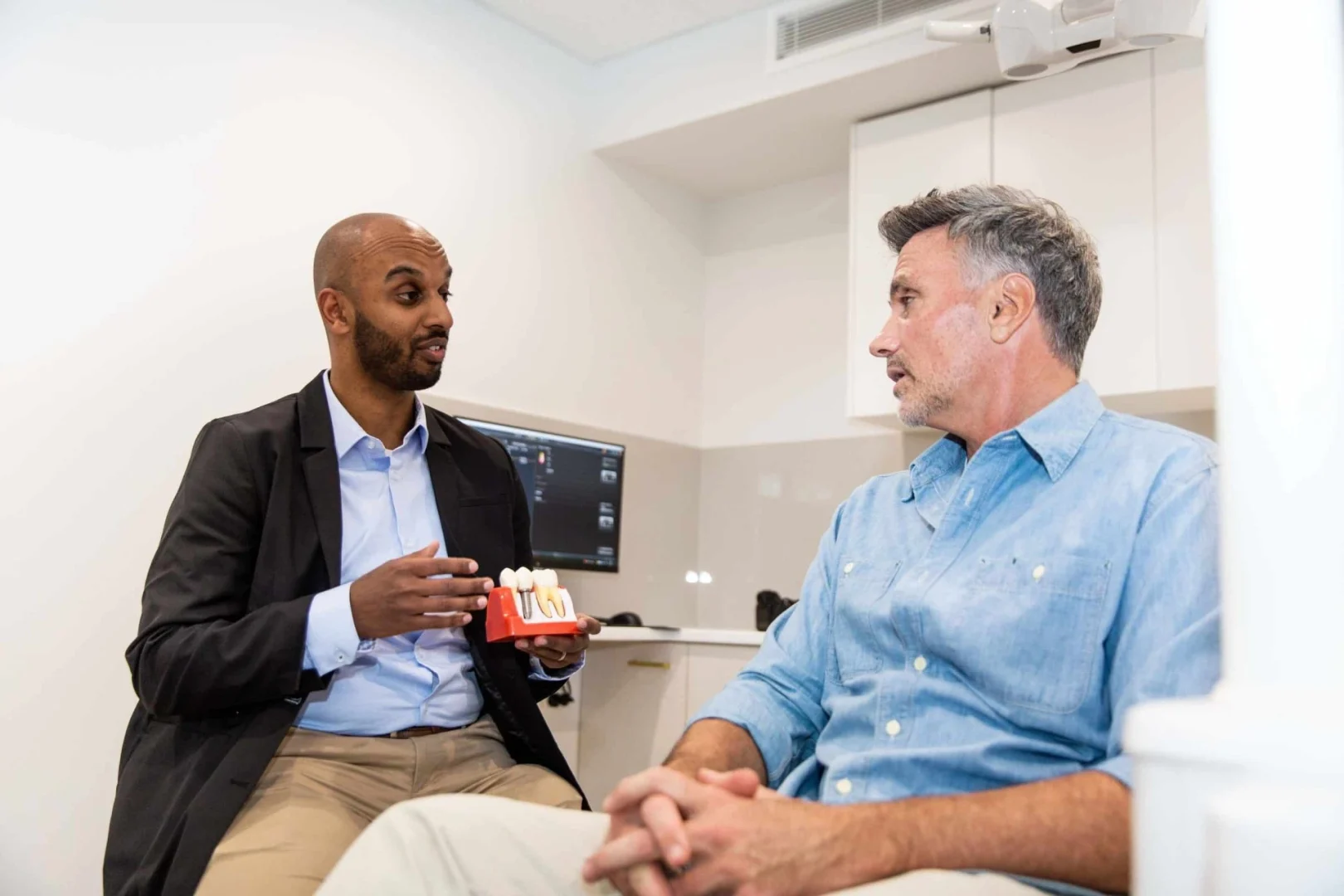
If you’ve been told that insufficient bone in your upper jaw makes dental implants impossible, we invite you to think again. At Dental Couture in Melbourne, we specialise in bone grafting, combining time-tested principles with cutting-edge techniques.
Our team understands that every mouth tells a story, and sometimes that story requires a new chapter. We’ll assess your situation using advanced 3D imaging technology and discuss your options in detail.
Contact Dental Couture today to schedule your consultation. Call us at 13COUTURE (13 26 88) or complete our online enquiry form to take the first step toward rebuilding your foundation.