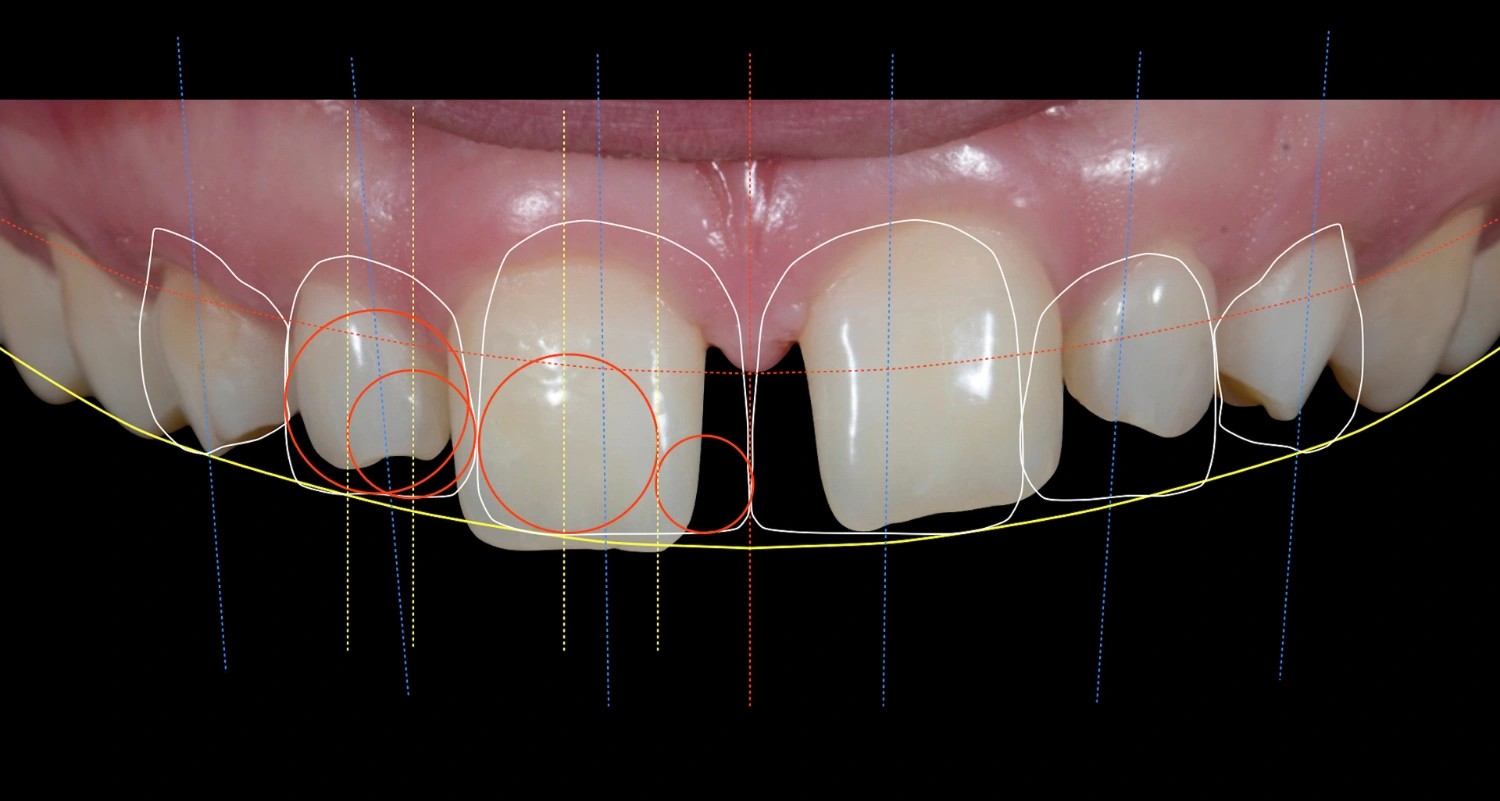
Architecture students learn early that beauty without function is merely decoration. The same principle governs modern dentistry, where Digital Smile Design has evolved far beyond creating attractive smiles to become a sophisticated tool for comprehensive oral rehabilitation.
The evolution of DSD functional planning represents one of dentistry’s most significant advances in treatment predictability. According to Australian dental technology research, practices using comprehensive digital planning report 40% fewer complications and 60% higher patient satisfaction compared to traditional treatment approaches.
When dentists can visualise not just how teeth will look, but how they’ll function together, the entire treatment paradigm shifts. DSD functional planning bridges the gap between aesthetic desires and biological requirements, creating solutions that satisfy both visual expectations and long-term oral health needs.
The Science Behind Comprehensive Digital Planning
DSD functional planning operates on the principle that form and function are inseparable in healthy dental systems. Traditional treatment planning often addressed these elements sequentially, whilst modern digital approaches integrate both considerations from the initial design phase.
The process begins with comprehensive data collection that captures both static and dynamic relationships. High-resolution photography documents facial proportions, whilst bite registration records functional movements. Intraoral scanning creates precise three-dimensional models that serve as the foundation for all subsequent planning.
Digital articulation software simulates jaw movements with remarkable accuracy, allowing dentists to evaluate how proposed changes will affect chewing patterns, speech formation, and long-term stability. Advanced algorithms analyse bite forces and tooth contact patterns to predict how changes will influence overall oral function.
The integration of these multiple data streams creates what engineers call a “digital twin”, a virtual representation that behaves like the real oral system. This digital model allows testing of various treatment scenarios before any irreversible procedures begin.
Aesthetic Integration Within Functional Frameworks
The true sophistication of DSD functional planning lies in its ability to achieve stunning aesthetics whilst respecting biological limitations. Unlike traditional approaches that might compromise function for beauty, digital planning identifies solutions that optimise both elements simultaneously.
Facial analysis software evaluates golden ratio proportions and symmetry relationships to establish aesthetic targets. However, these targets are immediately tested against functional requirements to ensure compatibility. If conflicts arise, the software suggests modifications that maintain aesthetic appeal whilst preserving optimal function.
Lip support considerations demonstrate this integration beautifully. Traditional planning might focus solely on tooth position relative to lips, whilst DSD functional planning evaluates how changes affect speech patterns and long-term facial support.
Digital occlusion analysis ensures that beautiful teeth also bite together properly. The software evaluates contact patterns during various movements, identifying potential interference points that could compromise both aesthetics and function.
Functional Analysis Through Digital Simulation
DSD functional planning excels in its ability to predict and prevent functional problems before they occur. Traditional planning relied heavily on experience and intuition, whilst digital systems provide objective analysis of multiple variables simultaneously.
Bite force analysis helps determine optimal tooth dimensions and positions for individual patients. The software considers factors like muscle strength and existing wear patterns to recommend tooth shapes that will function optimally within each patient’s unique system.
Speech pattern analysis represents a sophisticated aspect of DSD functional planning. The software can predict how changes in tooth position or shape will affect pronunciation of specific sounds, particularly valuable for patients whose professions depend on clear speech.
Temporomandibular joint analysis evaluates how proposed changes might affect jaw joint health. The software models joint movements and identifies potential stress concentrations that could lead to future problems.
Technology Integration for Comprehensive Planning
Modern DSD functional planning integrates multiple technologies to create comprehensive treatment blueprints. Cone beam computed tomography provides detailed bone structure information, whilst surface scanning captures soft tissue relationships with submillimetre accuracy.
Kinematic analysis using sophisticated sensors records natural jaw movements during various functions. This data helps ensure that planned changes support rather than interfere with each patient’s natural movement patterns.
Artificial intelligence algorithms analyse thousands of successful cases to suggest optimal solutions for specific functional and aesthetic challenges. Virtual reality visualisation allows patients to experience proposed changes before treatment begins, ensuring that functional improvements align with patient expectations.
Clinical Applications and Treatment Outcomes
DSD functional planning particularly excels in complex cases requiring comprehensive rehabilitation. Full mouth reconstructions benefit enormously from the ability to simulate various approaches before beginning treatment, reducing treatment time whilst improving predictability.
Orthodontic planning integration allows evaluation of how tooth movement will affect both facial aesthetics and bite function. The software can simulate treatment progress and predict final outcomes, helping patients understand the relationship between treatment duration and functional benefits.
Implant planning within DSD systems considers both aesthetic emergence profiles and functional loading patterns. The software guides implant positioning to support optimal restoration contours whilst ensuring adequate bone support and proper force distribution.
The Future of Integrated Dental Planning
DSD functional planning continues evolving as new technologies enhance both analytical capabilities and treatment predictability. Machine learning algorithms increasingly sophisticated in their ability to predict optimal solutions for complex functional and aesthetic challenges.
Biometric integration promises even more personalised planning as sensors become capable of monitoring actual function in real-time. This data will help refine digital models to more accurately reflect individual functional patterns and preferences.
Regenerative therapy integration represents an exciting frontier where DSD planning guides not just restoration placement but tissue regeneration strategies. This capability could revolutionise treatment of complex cases involving significant bone or soft tissue deficiencies.
Your Path to Comprehensive Smile Transformation
DSD functional planning represents the convergence of artistry and engineering, creating treatment approaches that satisfy both aesthetic desires and functional requirements. This technology enables treatment outcomes that would have been impossible using traditional planning methods.
At Dental Couture in Sunbury, we utilise advanced digital planning technologies to ensure optimal outcomes for all our treatments. Whether you’re considering veneers, Invisalign, or All On 4 Plus®, DSD functional planning helps us design solutions that look beautiful and function perfectly.
Ready to discover how digital planning can optimise your treatment outcomes? Contact Dental Couture today to schedule your consultation. Call us on 13 COUTURE or complete our online enquiry form to explore how DSD functional planning can create your ideal combination of beauty and function.