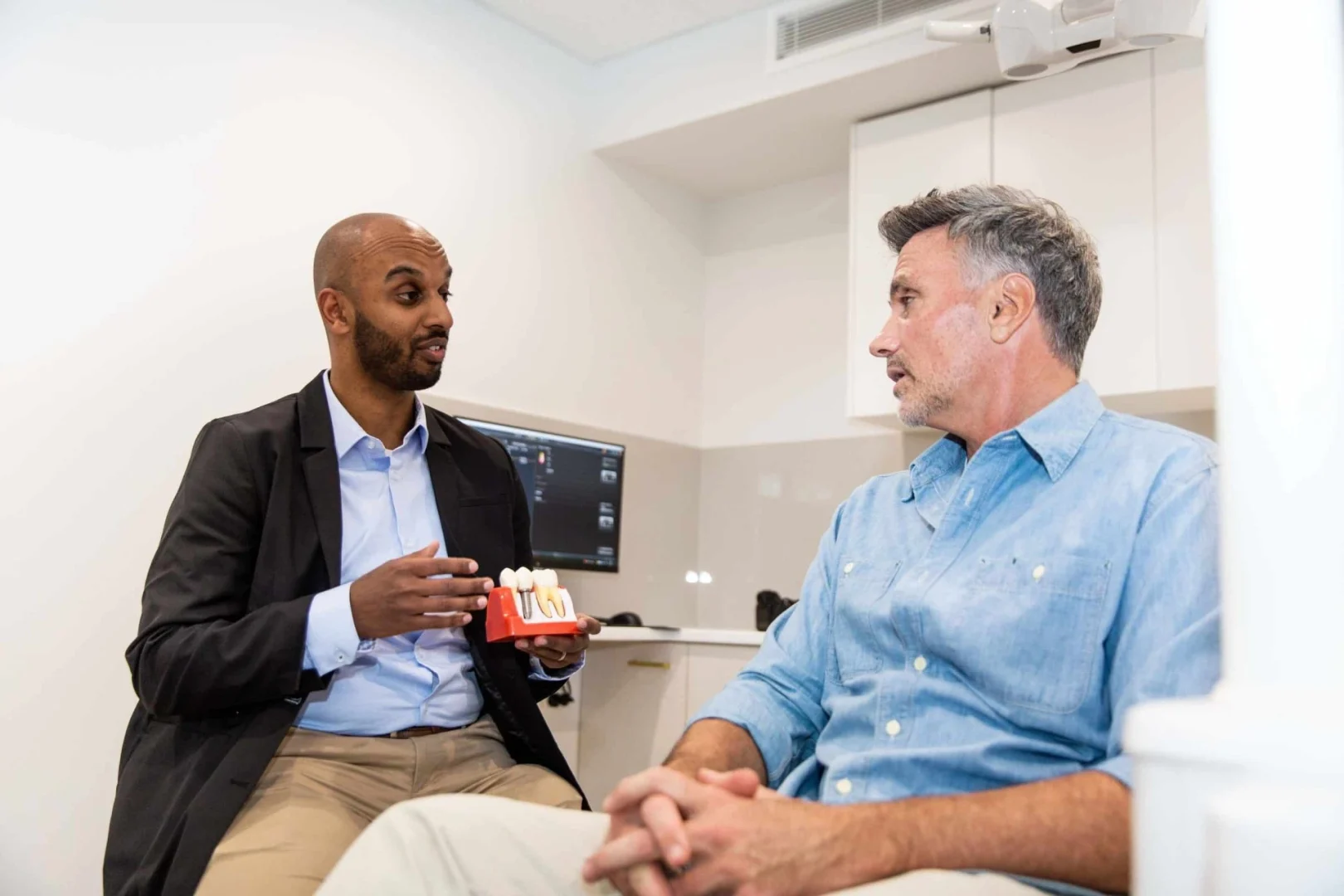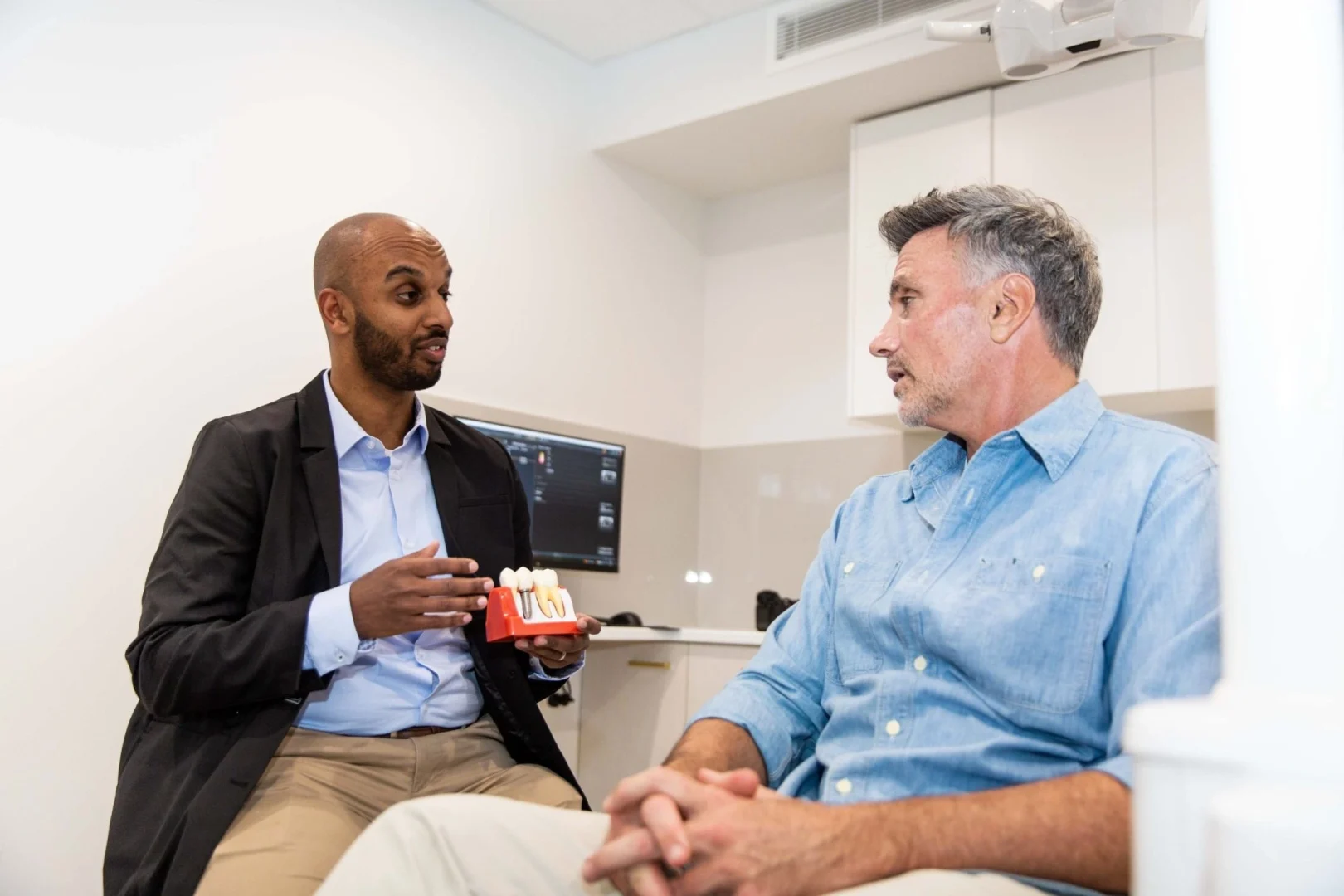
The belief that dental implants are unsuitable for older patients persists despite mounting evidence to the contrary. Modern research demonstrates that implants for seniors can achieve success rates comparable to younger patients when proper assessment and protocols are followed.
According to Australian dental research, patients over 65 represent the fastest-growing demographic for dental implant treatment. This trend reflects both the aging population and increasing recognition that chronological age alone doesn’t determine implant success.
The question isn’t whether seniors can receive implants, but rather how to optimise treatment protocols for older patients. Age-related physiological changes affect healing and integration, yet these factors can often be accommodated through modified approaches that ensure successful outcomes for implants for seniors.
The Biology of Aging and Implant Integration
Bone healing in seniors follows the same fundamental processes as in younger patients, though at a modified pace. Osteoblast activity, responsible for new bone formation around implants, remains functional in healthy older adults. The primary difference lies in the rate of bone turnover and cellular response times.
Research indicates that implant osseointegration can occur successfully in patients well into their eighties and beyond. The titanium-bone interface develops through the same mechanisms regardless of age, though the timeline may extend slightly. Studies show integration periods of 4-6 months in seniors compared to 3-4 months in younger patients.
Bone density changes associated with aging can actually benefit implant stability in some cases. Whilst cortical bone may thin, the increased density of trabecular bone in older patients can provide excellent primary stability for implants for seniors.
The immune response to implant placement remains robust in healthy seniors. Inflammatory pathways necessary for initial healing function normally, and the cascade of events leading to osseointegration proceeds predictably.
Managing Age-Related Health Conditions
Diabetes mellitus affects many seniors but doesn’t preclude implant treatment when properly managed. Well-controlled diabetes with HbA1c levels below 7% allows for successful implant integration. The key lies in optimising blood glucose control before and during the healing period.
Cardiovascular medications, particularly anticoagulants, require careful management during implant surgery. Modern protocols allow most seniors to continue necessary medications with appropriate modifications to surgical technique.
Osteoporosis concerns many seniors considering implants, yet research shows that implant success rates remain high in patients with this condition. The mechanical loading provided by implants can actually stimulate bone formation and help maintain alveolar bone density.
Medications such as bisphosphonates require special consideration but don’t necessarily contraindicate implant treatment. Current guidelines suggest that oral bisphosphonates present minimal risk for implants for seniors, whilst intravenous forms may require treatment modifications.
Modified Treatment Protocols
Healing timeframes for implants for seniors may require extension to accommodate slower cellular processes. Whilst younger patients might load implants after 3-4 months, seniors often benefit from 4-6 months of healing before prosthetic restoration.
Surgical techniques can be modified to reduce trauma and promote healing in older patients. Minimally invasive approaches, when anatomically feasible, reduce post-operative discomfort and accelerate recovery.
Bone grafting procedures may be necessary more frequently in seniors due to long-term bone loss. However, grafting success rates remain excellent in older patients when appropriate materials and techniques are used.
Immediate loading protocols require careful case selection in seniors. Whilst possible in appropriate cases, the conservative approach of delayed loading often provides more predictable outcomes for implants for seniors.
Nutritional Factors and Healing
Nutritional status significantly impacts healing outcomes for implants for seniors. Protein requirements increase during healing, and many seniors have marginal protein intake. Ensuring adequate nutrition supports optimal osseointegration and reduces complications.
Vitamin D deficiency affects many seniors and can impair bone healing. Pre-operative assessment and supplementation when necessary help optimise conditions for successful implant integration.
Calcium intake requires attention in seniors, particularly those with dietary restrictions or absorption issues. Adequate calcium availability supports bone formation around implants and contributes to long-term stability.
Micronutrient deficiencies, particularly zinc and vitamin C, can affect wound healing and collagen synthesis. Assessment and correction of these deficiencies before implant placement supports optimal healing outcomes.
Realistic Expectations and Outcomes
Success rates for implants for seniors approach those of younger patients when appropriate case selection and protocols are followed. Five-year survival rates exceed 95% in healthy seniors, demonstrating the viability of implant treatment in this population.
Healing may progress more slowly, requiring patience and compliance with post-operative instructions. Seniors who understand the timeline and commit to proper care achieve excellent outcomes with their implant treatment.
Maintenance requirements remain similar across age groups, though seniors may need assistance with complex oral hygiene procedures. Family support or professional care can help ensure long-term success.
Functional improvements from implant treatment provide significant benefits in terms of chewing efficiency, speech clarity, and oral comfort. The ability to eat a wider variety of foods and speak without appliance displacement addresses practical daily needs.
Pre-Treatment Assessment
Comprehensive medical evaluation helps identify factors that might affect implant success in seniors. Collaboration with medical practitioners ensures that systemic health conditions are optimally managed before treatment begins.
Bone quality assessment using advanced imaging provides crucial information for treatment planning. CBCT scans reveal bone density and anatomical considerations that guide implant selection and placement.
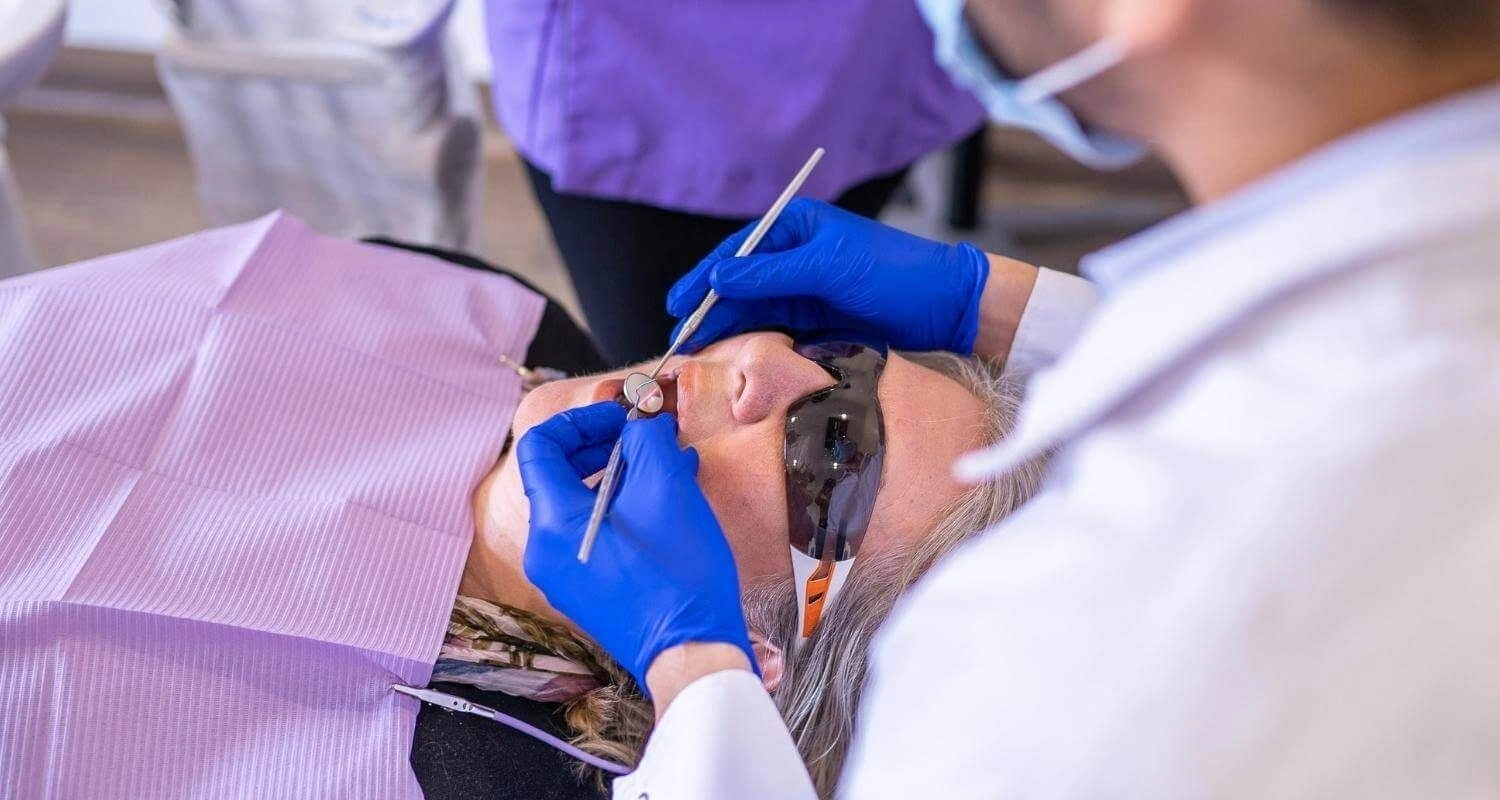
Oral health status requires careful evaluation, as seniors may have accumulated periodontal damage over time. Achieving optimal periodontal health before implant placement reduces the risk of peri-implantitis.
Cognitive function assessment helps ensure that seniors can comply with post-operative instructions and maintain proper oral hygiene. Family involvement may be necessary to support successful outcomes.
Your Path to Successful Treatment
Age alone should never disqualify patients from implant consideration. Modern understanding of implant biology and modified protocols enable successful treatment for implants for seniors when appropriate assessment and planning occur.
At Dental Couture in Sunbury, we specialise in comprehensive implant treatment for patients of all ages, including seniors. Our approach considers individual health factors, healing capacity, and lifestyle needs to develop optimal treatment plans.
Whether you’re considering single implants, All-On-4 Plus®, or other implant solutions, our team provides expert assessment and care tailored to senior patients’ unique needs. We work closely with your medical practitioners to ensure safe, successful treatment.
Ready to explore implant options regardless of your age? Contact Dental Couture today to schedule your comprehensive consultation. Call us or complete our online enquiry form to discuss how implants for seniors can restore your oral function.